Best Time to Visit Cyprus: A Month-by-Month Guide
Discover the best time to visit Cyprus with our month-by-month guide on weather, crowds, and travel tips for Protaras, Ayia Napa, and beyond.
Planning a trip to Cyprus? Whether you're dreaming of relaxing on pristine beaches in Protaras, exploring vibrant nightlife in Ayia Napa, or hiking the scenic Cape Greco trails, timing your visit can make all the difference. With its Mediterranean climate and diverse activities year-round, Cyprus offers something for everyone. Here’s a detailed month-by-month guide to help you choose the perfect time for your villa holiday in Cyprus.
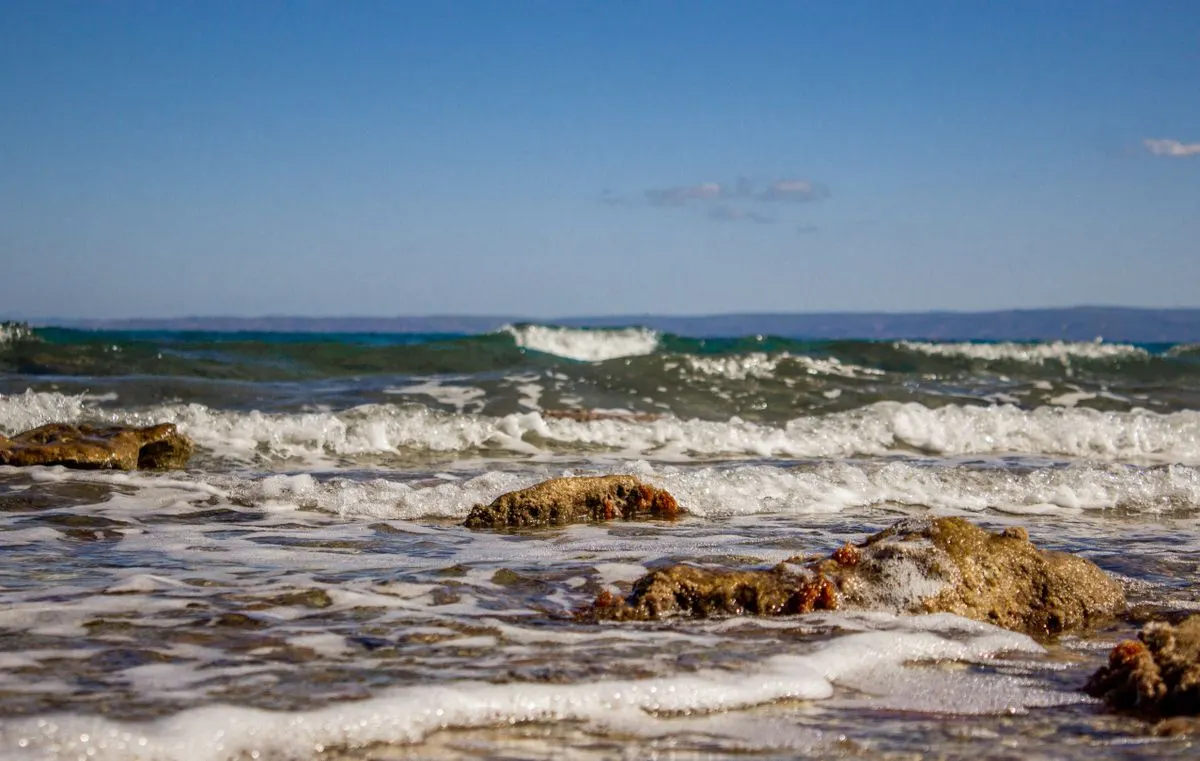
What’s the Best Time to Visit Cyprus for Warm Weather?
If you're chasing the sun, Cyprus rarely disappoints. The island enjoys over 300 days of sunshine annually. For beach lovers, the summer months of June to August bring peak temperatures, perfect for lounging by your private pool villa. However, if you prefer milder weather ideal for sightseeing and hiking, opt for spring (March to May) or autumn (September to November).
January and February: Quiet with Mild Winter Weather
January and February are the coldest months in Cyprus, but “cold” here is relative. Coastal areas like Protaras and Ayia Napa experience daytime highs of 16-18°C (61-64°F), while nights can dip to 7-9°C (45-48°F). While swimming in the sea might be too chilly, villa rentals with heated pools offer a cozy alternative.
- Weather: Rainy days are more frequent, but skies clear quickly.
- Crowds: Low season means uncrowded attractions and lower villa prices.
Local tip: Visit Troodos Mountains for snow-covered peaks and charming villages.
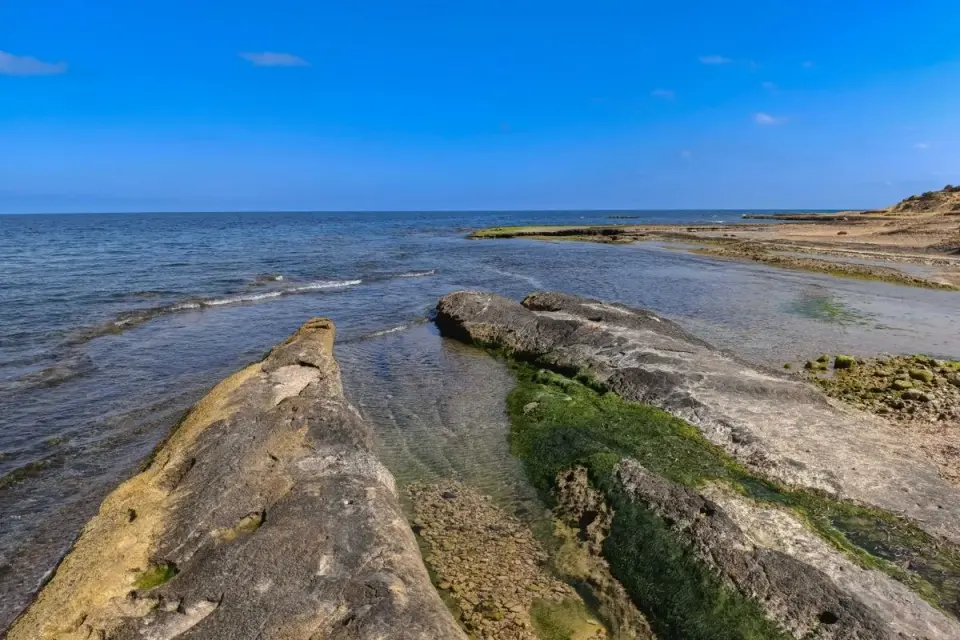
March to May: Spring Blooms and Perfect Hiking Weather
Spring is a fantastic time to visit Cyprus. The countryside comes alive with wildflowers, and temperatures are comfortably warm, ranging from 18-25°C (64-77°F) by May. This season is ideal for outdoor activities like exploring Cape Greco’s scenic walks or visiting cultural sites such as Kourion.
- Weather: By late spring, swimming in the sea becomes enjoyable.
- Crowds: Moderate, with Easter holidays bringing a slight bump in visitors.
Browse villas in Cyprus to find the perfect base for your spring adventures.
June to August: Beach Season in Full Swing
Summer in Cyprus is synonymous with beach bliss. Daytime highs soar to 30-35°C (86-95°F), making it perfect for water activities like jet skiing in Ayia Napa or snorkeling in Protaras. With long daylight hours, you can enjoy more time exploring the coast or unwinding at your villa.
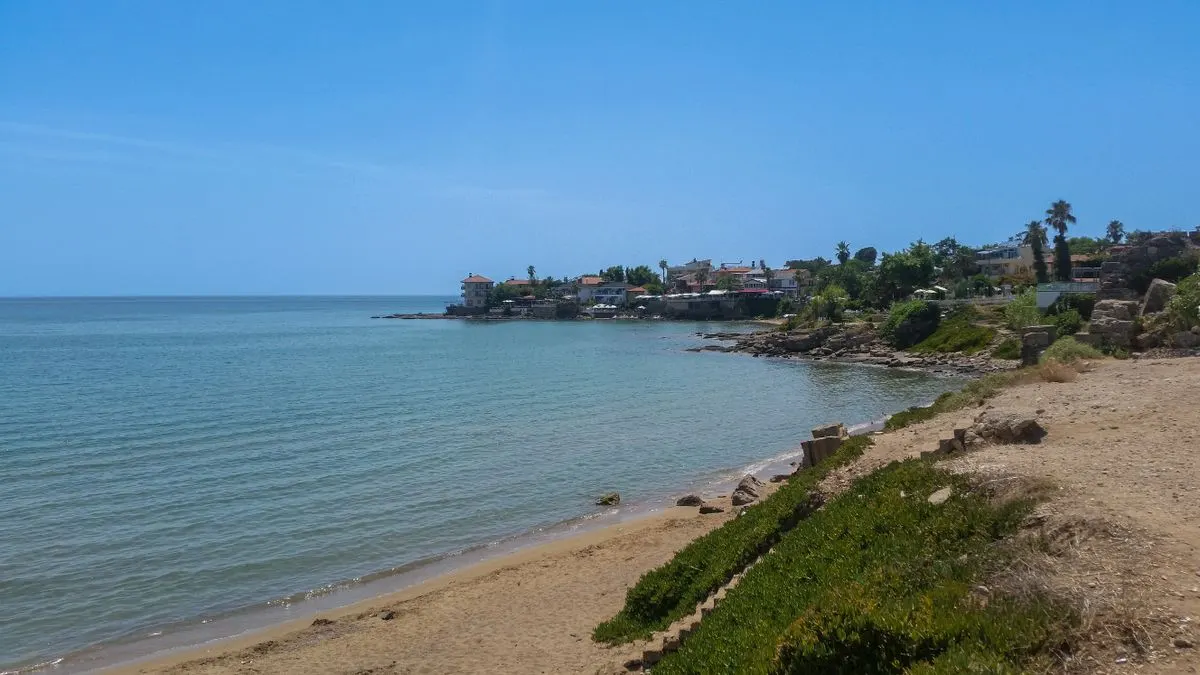
- Weather: Hot and sunny, with virtually no rain.
- Crowds: Peak season, so book your villa in Protaras early to avoid disappointment.
Local tip: Escape the midday heat by visiting traditional mountain villages like Lefkara.
September to November: Autumn Serenity
The autumn months bring warm seas, mild weather, and fewer crowds. September is still prime beach weather, with temperatures hovering around 28°C (82°F), while October and November are cooler, perfect for sightseeing and vineyard tours in the Cyprus Wine Villages.
- Weather: Still sunny but more comfortable than summer.
- Crowds: Thinner compared to summer, making this ideal for couples and families seeking tranquility.
See villas with private pools to make your autumn retreat extra special.
December: Festive Cheer and Mild Days
December offers a unique blend of mild weather and festive vibes. With daytime highs of around 17°C (63°F), you can enjoy comfortable walks along Protaras beaches or Ayia Napa promenades. Plus, Christmas markets and events bring a festive charm to towns and villages.
- Weather: Mild during the day, chilly at night.
- Crowds: Quiet, except for the Christmas and New Year holidays.
Local tip: Visit Limassol’s holiday markets or enjoy a festive feast at a local taverna.
FAQs
When is the hottest month in Cyprus?
August is typically the hottest month, with daytime temperatures often exceeding 35°C (95°F).
Is Cyprus crowded in November?
November is part of the shoulder season, meaning fewer crowds and a more relaxed atmosphere.
What’s the best time for a family holiday in Protaras?
June and September are perfect for a Protaras family holiday, offering warm weather but fewer crowds.
Can I swim in Cyprus in April?
Swimming in April depends on your tolerance for cooler sea temperatures, but many private pool villas offer heated options.
Is winter a good time to visit Ayia Napa?
Winter is quiet in Ayia Napa, ideal for peaceful getaways and exploring the natural beauty of the area.
What’s the best way to book a villa in Cyprus?
Start by browsing Cyprus villa booking tips to find properties that suit your needs and preferences.
Conclusion
Whether you're planning a summer escape to Ayia Napa or a quiet autumn retreat in Protaras, Cyprus offers a unique experience in every season. Consider your interests, weather preferences, and crowd tolerance to determine the best time for your visit. Ready to start planning? Find your perfect Cyprus villa - check availability today!
Find Your Perfect Cyprus Villa
Browse our handpicked collection of holiday villas in Cyprus. Private pools, great locations, and everything you need for an unforgettable stay.
Additional advice: Best Time to Visit Cyprus: Month-by-Month Weather & Crowds
Planning a Mediterranean escape to Cyprus? Wondering the best time to visit Cyprus for sunshine, swimming, and stress-free crowds—especially around Protaras and Ayia Napa? This friendly, data-led guide breaks down weather, sea temperatures, and visitor levels month by month so you can match your trip to your style, whether that's a protaras family holiday, a couples’ getaway, or a friends’ retreat in a private pool villa Cyprus is famous for.

How does Cyprus weather change through the year?
Cyprus enjoys one of the longest summers in Europe, with around 300+ days of sunshine annually and a dry season typically from May to October. The east coast—Protaras, Ayia Napa, and the serene Cape Greco peninsula—benefits from calm seas and some of the island’s clearest waters. Summer brings hot, dry days and warm nights; spring and autumn are ideal for hiking, watersports, and exploring coastal trails; winter is mild with quiet beaches and excellent value.
- Warmest months: July–August (average highs 32–36°C; hotter inland)
- Best sea temps: Late June–October (peaking around 27–28°C in August–September)
- Quietest months: November–March (many beach bars close, but nature and local life shine)
- Shoulder sweet spots: May–June and September–October (golden weather, manageable crowds)
January–February: Is winter in Cyprus worth it?
Weather: Mild days, cooler nights. Daytime highs often 15–18°C, with occasional rain and breezy spells. Sea temps ~16–17°C.
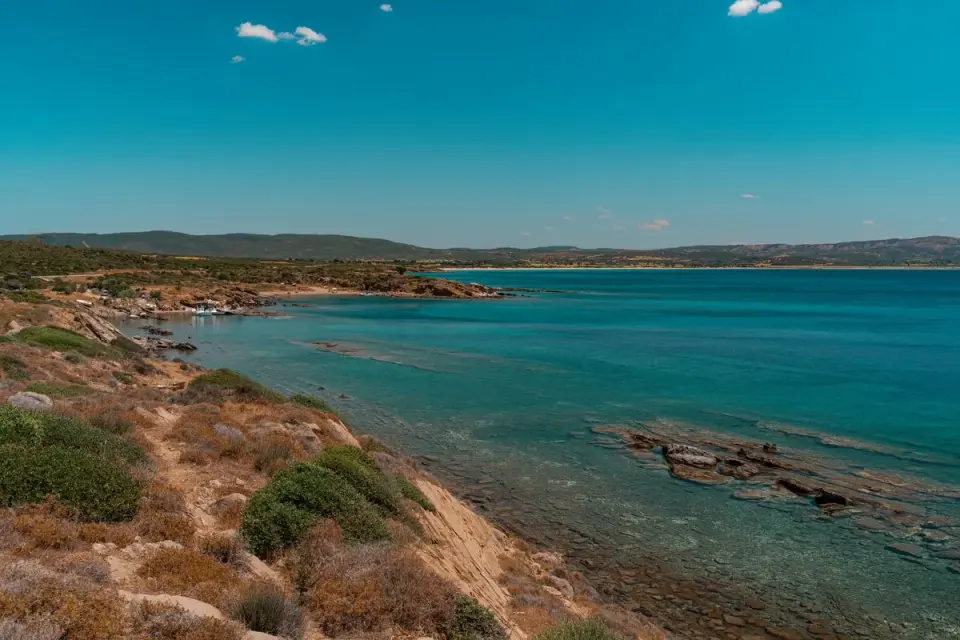
Crowds: Very low. Protaras and Ayia Napa are quiet, many beachfront kiosks close, but essential services and some tavernas in town operate year-round.
Why go: Peace, nature, and value. Great for remote working from a spacious villa, long coastal walks, and day trips to cultural sites without queues.
What to do: Lace up for cape greco walks on the clifftop trails; visit the Ayia Napa Sculpture Park; chase winter sunsets at Konnos Bay; sample hearty Cypriot stews at local tavernas in Paralimni and Dheryneia.
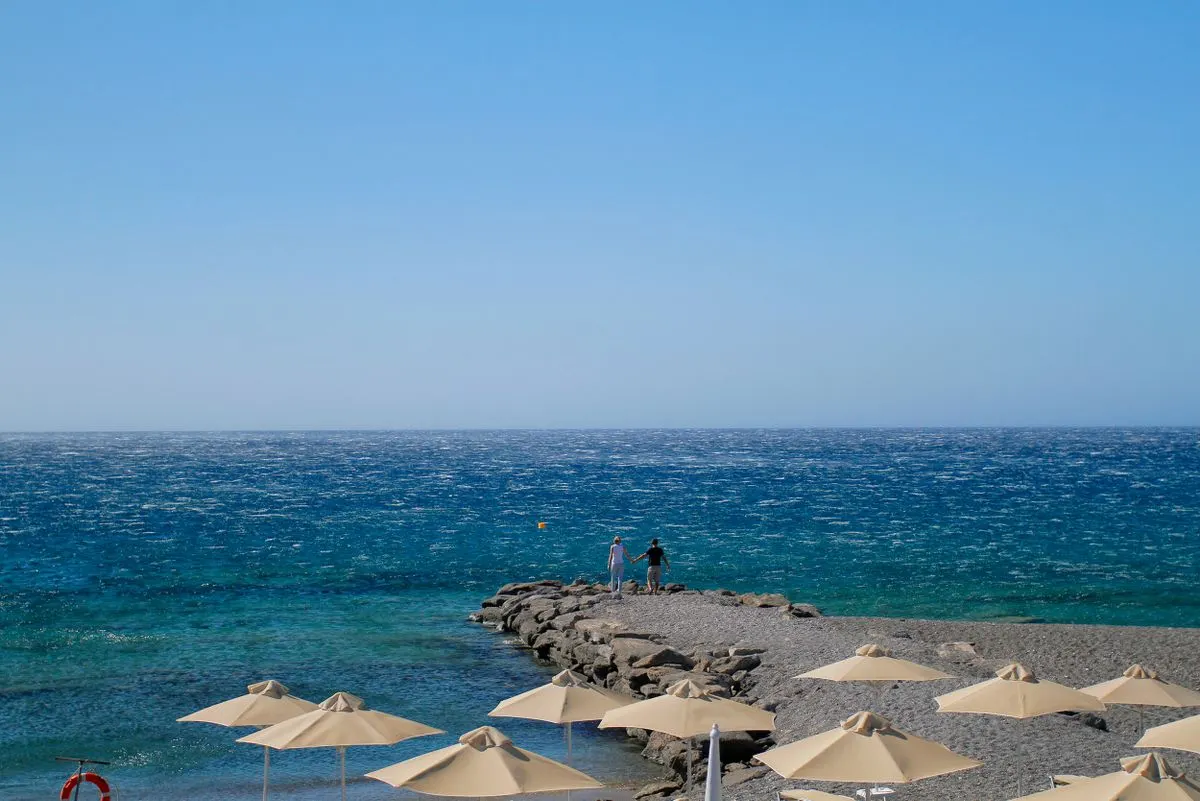
Villa tip: Choose homes with heating and good sun exposure. Ask LA MER Homes about workspace-friendly layouts and Wi‑Fi speeds—ideal for slow travel.
March–April: When do spring blooms and calm seas arrive?
Weather: Warming up. Highs 18–23°C by April; sea ~17–19°C. Wildflowers peak, and days grow sunnier and longer.
Crowds: Low to moderate near Easter. Resorts begin to open, restaurants extend hours, and boat trips resume.
Why go: Optimal for hiking, cycling, and photography. Family-friendly temperatures for toddlers and multi-generational groups.
What to do: Stroll Fig Tree Bay boardwalk; kayak the sea caves near Cape Greco; explore Ayia Napa Monastery and the harbor for fresh-grilled fish; try spring picnics at Cape Greco National Forest Park.
Villa tip: For a protaras family holiday, look for fenced gardens, heated pools (if available), and walkable access to beaches—strollers love the flat coastal paths.
May–June: Is late spring the sweet spot for beach time?
Weather: Sunny and dry. Highs 24–29°C; sea 20–24°C by June—perfect swimming without peak heat.
Crowds: Rising but comfortable. Weekdays quiet; weekends livelier. Beach clubs and watersports fully open.
Why go: Ideal blend of warm seas, long days, and moderate prices before the summer peak. Great for paddleboarding at Sunrise Beach and snorkeling at Green Bay (tame fish, clear waters).
What to do: Boat to Blue Lagoon from Ayia Napa harbor; early-morning SUP at Protaras; try coastal cycling between Pernera and Protaras; sunset swims at Sirena Bay.
Villa tip: Book a private pool villa Cyprus travelers love—south-facing pools warm quickly in May. Outdoor kitchens and shaded pergolas extend your day outside.
July–August: How hot and busy does high season get?
Weather: Peak summer. Highs 32–36°C on the coast; warm nights. Sea 26–28°C—like a giant swimming pool. UV is intense; plan siestas.
Crowds: High, especially late July–mid August. Beach clubs buzz, watersports thrive, and sunset viewpoints are popular.
Why go: Non-stop beach life, family fun, and nightlife—especially in Ayia Napa. It’s prime time for waterparks, glass-bottom boats, and parasailing.
What to do: Early swims at Fig Tree Bay to beat crowds; shaded cape greco walks at sunrise; evenings along Ayia Napa’s harbor promenade; late dinners al fresco (meze feasts, grilled halloumi, village salads).
Villa tip: Prioritize strong A/C, shaded outdoor lounges, and child-safe pool areas. Book early—ayia napa villas and Protaras beach spots sell out fast. Flexible check-in and grocery pre-stocking help families arrive stress-free.
September–October: Is autumn the best time to visit Cyprus?
Weather: Glorious. Highs 27–31°C in September, 24–28°C in October. Sea stays warm at 25–27°C well into October.
Crowds: Thinning. Families return to school, leaving relaxed beaches and excellent restaurant availability.
Why go: Many locals say this is the best time to visit Cyprus—golden light, warm water, calm conditions for boat trips, and superb hiking temperatures.
What to do: Drift over the reefs at De Costa Bay; day-cruise to sea caves; picnic at the lighthouse point in Cape Greco; vineyard day trips up-country if you fancy a change of scenery.
Villa tip: For couples and friends, look at beachfront terraces and rooftop lounges. For families, shoulder season often means more choice and better value near top beaches.
November–December: Is the off-season good for nature and culture?
Weather: Mild, variable. Highs 17–22°C; sea 19–21°C early November, cooling by December. Occasional rain brings crisp, clear days.
Crowds: Low. A serene time to enjoy coastal paths and local eateries without queues.
Why go: Perfect for long walks, photography, and leisurely brunches. Try village bakeries for tahinopita and halloumi pies; visit museums and archaeological sites across the island.
What to do: Scenic drives to Sotira and Frenaros villages; sunrise coffees on Protaras promenade; birdwatching near wetlands outside high season.
Villa tip: Choose homes with cozy indoor dining and good kitchen kit for slow dinners. Ask about heating for pools if you plan to swim regularly.
What’s the crowd and price pattern by season?
- Peak (mid-Jun–Aug): Highest demand and rates; book early (3–6 months) for first-row beachfront and large villas.
- Shoulder (Apr–Jun, Sep–Oct): Balanced prices, wide choice, lovely weather—prime for families with flexible dates.
- Value (Nov–Mar): Best availability and rates; fewer services on the beach but great for nature and local dining.
Cyprus villa booking tips:
- Lock in school-holiday weeks early, especially if you need 4+ bedrooms or twin rooms for kids.
- Compare sun orientation and shade—south/east-facing pools suit early swimmers; west-facing terraces win at sunset.
- Ask about baby gear, stair gates, and pool alarms for a smooth protaras family holiday.
- For car-free stays, target Protaras center, Pernera, or Ayia Napa harbor areas—close to beaches, marinas, and dining.
- Check cancellation terms and optional mid-stay cleans for longer trips.
Where should you base yourself: Protaras or Ayia Napa?
Protaras: Family-friendly, calm bays, superb boardwalks, and clear snorkeling. Fig Tree Bay, Konnos Bay, and Pernera’s smaller coves are favorites. Great for early-to-bed families and coastal walkers.
Ayia Napa: Livelier vibe with a charming harbor, nightlife zones, and easy access to Nissi Beach’s shallow turquoise waters. Outside peak season, Ayia Napa turns laid-back and foodie-friendly.
Both sit a short hop from Cape Greco National Forest Park, a must for cliff viewpoints, sea caves, and pine-scented trails.
Ready to plan? Explore villas in Protaras or browse holiday homes in Ayia Napa to compare settings.
What to pack by season
- Spring/Autumn: Light layers, sunhat, reef-safe sunscreen, light jacket for evenings, trainers for hikes, snorkel set.
- Summer: High-SPF sunscreen, UV rash vests for kids, electrolytes, wide-brim hat, breathable linens, water shoes for rocky coves.
- Winter: Light sweater, windbreaker, closed shoes, and a compact umbrella for occasional showers.
Dining and local life: when to book and what to try
Peak months: reserve popular spots near Fig Tree Bay and Nissi Beach a day ahead. Try seafood at the harbor, meze spreads in village tavernas, and loukoumades for dessert. In shoulder seasons, snag waterfront tables at sunset with little notice. Winter is perfect for leisurely Sunday lunches and discovering bakeries tucked into neighborhood streets.
explore villa rentals that put you steps from seaside tavernas—or opt for a chef-at-home night arranged through LA MER Homes concierge partners.
Summer (July)
- Morning swims at Fig Tree Bay; midday villa siesta; golden-hour boat trip to the sea caves.
- Ayia Napa harbor stroll and grilled fish dinner; late-night gelato on the square.
Shoulder (May/October)
- Cape Greco trail at sunrise, SUP session by mid-morning, relaxed lunch in Pernera.
- Snorkel Green Bay; sunset picnic at Konnos viewpoint; quiet villa BBQ under the stars.
Winter (December)
- Coastal walk, museum visit, coffee in Paralimni square, and meze dinner in a family-run taverna.
Conclusion: Match your month to your mood
The best time to visit Cyprus depends on what you love: long, lazy beach days (July–August), warm seas without the rush (September–October), activity-friendly sunshine (May–June), or quiet cultural escapes (November–March). Protaras and Ayia Napa deliver crystal waters, scenic boardwalks, and easy coastal living year-round—especially when you have the comfort and privacy of a well-located villa.
Find your perfect Cyprus villa - check availability
What month has the warmest sea in Cyprus?
August and September typically offer the warmest sea, often around 27–28°C on the east coast near Protaras and Ayia Napa.
When is Cyprus least crowded?
November to March is the quietest period, while April–June and September–October strike a balance of good weather and lighter crowds.
Is October still good for swimming?
Yes. Sea temperatures often stay 24–26°C, making October excellent for beach days and snorkeling.
Which is better for families: Protaras or Ayia Napa?
Protaras is especially popular for families thanks to calm bays and boardwalks, though Ayia Napa is great outside peak for its harbor and amenities.
Do I need a car in Protaras or Ayia Napa?
Not strictly in central areas. For Cape Greco trails, quieter coves, or village outings, a rental car adds flexibility.
How early should I book a large villa in summer?
For 4+ bedrooms in July–August, book 4–6 months ahead to secure location, layout, and amenities.
Are winter months good for hiking?
Yes. Mild temperatures and green landscapes make winter and early spring ideal for Cape Greco walks.
Where can I find private pool villas?
Start with our curated private pool villas and filter for location, bedrooms, and kid-friendly features.
Additional advice: When Is the Best Time to Visit Cyprus?
Known for its sun-kissed shores, rich history, and vibrant nightlife, Cyprus is a Mediterranean gem that attracts visitors year-round. However, the best time to visit depends on what you’re hoping to experience. From beach holidays to cultural excursions, knowing when to explore can significantly enhance your trip. Here’s a comprehensive guide to help you choose the ideal time for your holiday in Cyprus, particularly if you're considering a villa rental in Protaras or Ayia Napa.
Spring: A Blooming Paradise (March - May)
Spring is one of the most delightful times to visit Cyprus. With temperatures ranging between 18°C to 25°C, it’s warm enough to enjoy the beaches, yet cool enough for outdoor activities. The countryside bursts into bloom, painting the landscape in vibrant colours.
- Flora and Fauna: Spring is the perfect time for nature lovers to explore the Akamas Peninsula, where you can hike through stunning trails dotted with wildflowers.
- Prices: Accommodation in villas tends to be more affordable, with prices starting from around €70 per night for a quality rental.
- Local Festivals: Easter celebrations, particularly in April, offer a unique cultural insight, complete with traditional foods and local festivities.
Consider renting a villa in Protaras to enjoy easy access to both beautiful beaches and lush landscapes, making it a perfect base for outdoor activities and cultural experiences.
Summer: Sun-Soaked Bliss (June - August)
Summer is peak season in Cyprus, with temperatures soaring to around 30°C to 38°C. This is the optimal time for those craving sun and sea, particularly if you wish to indulge in vibrant beach clubs and lively nightlife.
- Vibrant Atmosphere: Ayia Napa is renowned for its bustling nightlife, with beach parties and events happening almost every night.
- Beach Activities: Water sports, including jet skiing and parasailing, are in full swing, especially at Nissi Beach, which is a local favourite.
- Prices: Expect accommodation prices for villas to rise significantly during these months, with averages around €150 to €300 per night.
If you’re looking for a lively atmosphere with a blend of relaxation and excitement, securing a villa in Ayia Napa can provide both comfort and convenience for maximising your summer experience.
Autumn: A Golden Farewell (September - October)
As the summer crowds disperse, autumn offers a more tranquil atmosphere, making it an excellent time for a villa holiday. Temperatures remain pleasantly warm, averaging between 25°C to 30°C, perfect for sunbathers and adventurers alike.
- Ideal for Sightseeing: Explore historic sites, such as the ancient city of Kourion, without the overwhelming heat and crowds.
- Wine Festivals: Autumn is grape harvest season, and various villages hold annual wine festivals during this time, particularly in the region of Limassol.
- Prices: Rates for villa rentals begin to drop again, with many properties available for around €80 to €200 per night.
Sipping local wine while enjoying the serene views from your villa in Protaras can provide a perfect blend of relaxation and cultural immersion.
Winter: A Mild Escape (November - February)
Winter in Cyprus is mild compared to many European destinations, with temperatures ranging from 10°C to 20°C. Although many beach activities slow down, it is an excellent time for relaxation and exploration.
- Enjoying Nature: The Troodos Mountains offer a beautiful escape for hiking, and if you’re lucky, you might even see some snow at the peaks.
- Quiet Beaches: Enjoy uncrowded beaches and the serene beauty of places like Fig Tree Bay without the summer rush.
- Prices: Off-peak rates mean you can find stunning villas for as low as €50 per night, making it an excellent choice for budget-conscious travellers.
A winter villa holiday in Ayia Napa provides a peaceful retreat away from the hustle and bustle, ideal for those looking to recharge in beautiful surroundings.
Practical Tips for Your Villa Holiday
When planning your villa holiday in Cyprus, consider the following practical tips:
- Booking Ahead: For the high season (June to August), booking several months in advance is advisable to secure your ideal villa.
- Local Cuisine: Don’t miss out on the local delicacies. Try meze at a traditional taverna in Protaras, where you can savour a variety of Cypriot dishes.
- Car Hire: Renting a car can be extremely beneficial to explore the island's hidden gems and reach less accessible beaches.
A villa holiday in Cyprus not only offers the comforts of home but also the opportunity to immerse yourself in the local culture, cuisine, and natural beauty. No matter when you choose to visit, Cyprus will welcome you with open arms and unforgettable experiences.
Additional advice: Best Time to Visit Cyprus for Perfect Beach Weather
Cyprus, a Mediterranean gem, is renowned for its sun-drenched beaches, crystal-clear waters, and year-round appeal. Whether you’re planning a summer getaway in Protaras or a winter escape to Ayia Napa, knowing the best time to visit Cyprus for beach weather will help you make the most of your holiday. In this guide, we’ll explore the ideal seasons, local insights, and practical tips to plan the perfect villa holiday in Cyprus.
What Is the Best Time to Visit Cyprus for Beach Weather?
Cyprus enjoys a Mediterranean climate, meaning long, hot summers and mild, pleasant winters. For beach lovers, the best time to visit is between May and October, when temperatures are warm, and the sea is perfect for swimming. However, each season has its unique charm, so let’s break down what to expect throughout the year.
Summer (June to August): Peak Beach Season
Summer in Cyprus is all about endless sunshine and lively beach vibes. Temperatures range from 30°C to 37°C (86°F to 98°F), with July and August being the hottest months. Head to beaches like Fig Tree Bay in Protaras or Nissi Beach in Ayia Napa for golden sands and turquoise waters.
- Pros: Ideal for sunbathers, water sports enthusiasts, and nightlife lovers.
- Cons: Can get crowded; book your villa early to secure your preferred dates.
Tip: Consider staying in a villa with a private pool for a quiet retreat after a busy day at the beach. Check villa availability in Cyprus.
Spring (March to May): A Quieter, Scenic Escape
Spring in Cyprus is perfect for those who prefer milder temperatures and fewer crowds. Daytime highs range from 20°C to 28°C (68°F to 82°F), making it an excellent time for beach strolls, hiking, and exploring the island.
- Best Beaches: Konnos Bay in Protaras is quieter and scenic at this time of year.
- Activities: Combine beach days with visits to nature trails or historical sites like Cape Greco.
Tip: Spring is a great time to find beachfront villas at attractive rates. Explore beachfront villa rentals.
Autumn (September to November): Warm and Relaxing
If you’re seeking warm waters without the summer crowds, autumn is the best time to visit Cyprus. Sea temperatures remain balmy (around 25°C or 77°F) even as the air cools slightly to a comfortable 25°C to 30°C (77°F to 86°F).
- Pros: Quiet beaches, pleasant weather for outdoor activities.
- Top Picks: Makronissos Beach in Ayia Napa is serene and stunning in autumn.
Tip: Autumn is a fantastic time for family holidays. Browse Cyprus villas for families.
Can You Visit Cyprus Beaches in Winter?
Yes, winter in Cyprus (December to February) offers a unique experience for beach lovers. While you won’t find peak sunbathing weather, daytime temperatures hover around 15°C to 20°C (59°F to 68°F), making it a great time for beach walks and soaking up the sun without overheating.
For those seeking a touch of luxury, heated pools are a popular choice. Browse villas with heated pools for year-round swimming.
What Are the Sea Temperatures Like in Cyprus?
Cyprus boasts some of the warmest waters in the Mediterranean. Here’s a quick breakdown of average sea temperatures:
- Summer (June to September): 25°C to 28°C (77°F to 82°F)
- Spring (March to May): 18°C to 22°C (64°F to 72°F)
- Autumn (October to November): 23°C to 25°C (73°F to 77°F)
- Winter (December to February): 16°C to 18°C (61°F to 64°F)
Tip: For year-round swimming, villas with heated pools are a great option. Find private pool villas.
How to Choose the Right Time for Your Beach Holiday
To decide the best time to visit Cyprus, consider your preferences:
- If you love vibrant atmospheres: Summer is ideal for lively beaches and nightlife.
- If you prefer quiet escapes: Spring and autumn offer peaceful, scenic experiences.
- If you’re a winter sun seeker: Opt for villas with heated pools in Ayia Napa or Protaras.
Tip: Use our villa availability tool to find your ideal holiday home in Cyprus.
- When is the best time to visit Cyprus for warm weather? May to October offers the warmest weather for beach activities.
- Is Cyprus warm in October? Yes, Cyprus in October remains warm, with temperatures around 25°C to 30°C (77°F to 86°F).
- Are beaches crowded in the summer? Summer is peak season, so popular beaches like Nissi Beach can be busy.
- What is the winter weather like in Cyprus? Winters are mild, with daytime temperatures around 15°C to 20°C (59°F to 68°F).
- Can you swim in Cyprus in November? Yes, the sea remains warm enough for swimming in early November.
- Are there villas with heated pools? Yes, many villas in Protaras and Ayia Napa offer heated pool options.
Ready to plan your next beach escape? Find the perfect villa for your dates and enjoy everything Cyprus has to offer.
Book Your Cyprus Villa
Check availability for your dates. Our Cyprus villas offer year-round sunshine, private pools, and the perfect Mediterranean escape.
Additional advice: Best Time of Year to Visit Cyprus for a Perfect Villa Holiday
Why Choose Cyprus for Your Villa Holiday?
Cyprus, nestled in the heart of the Mediterranean, is a dream destination for travelers seeking sun, sea, and serenity. With stunning beaches, picturesque towns like Protaras and Ayia Napa, and an average of 340 sunny days a year, it’s no wonder Cyprus villa holidays are so popular. But when is the best time to visit this island paradise? Let’s explore.
What Is the Best Season for a Cyprus Villa Holiday?
Spring (March to May): Spring in Cyprus is a magical time. Temperatures are pleasant, averaging 18-24°C, making it perfect for outdoor activities like hiking in the Troodos Mountains or exploring Cape Greco. Protaras is particularly charming as wildflowers bloom and the beaches begin to welcome visitors.
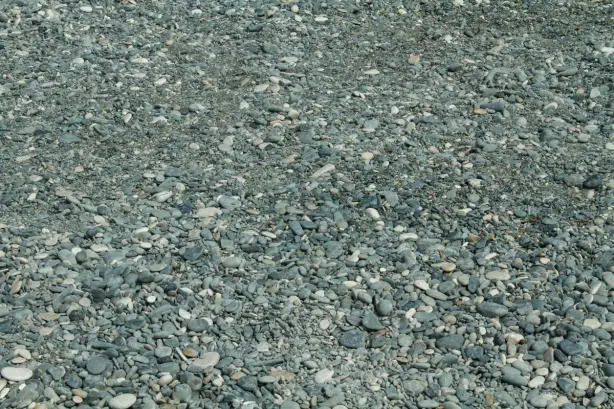
Summer (June to August): If you’re a sun-seeker, summer is your time. With temperatures soaring to 30-35°C, it’s ideal for beach days. Ayia Napa’s Nissi Beach and Fig Tree Bay in Protaras are vibrant hubs during these months.
Autumn (September to November): Autumn combines the best of summer warmth and spring tranquility. The sea remains warm, and the crowds thin out. September and October are particularly popular for villa rentals in Cyprus, as you can enjoy the beaches and local festivals like Ayia Napa’s Medieval Festival.
Winter (December to February): While winter is off-peak, it has its charms. Temperatures range from 15-20°C, perfect for cultural sightseeing in cities like Larnaca or Paphos. Villas are also more affordable, making it an excellent choice for budget-conscious travelers.

What Are the Benefits of Visiting Cyprus in the Shoulder Season?
Visiting Cyprus during the shoulder season (spring and autumn) offers several advantages:
- Lower Crowds: Unlike the bustling summer months, spring and autumn are quieter, making it easier to explore popular sites like the Blue Lagoon.
- Better Deals: Villa rentals are more affordable, especially in top locations like Protaras and Ayia Napa.
- Comfortable Weather: You’ll enjoy warm days without the intense summer heat, ideal for outdoor and cultural activities.
What Activities Can You Enjoy Year-Round in Cyprus?
No matter the season, there’s always something to do in Cyprus:
- Year-Round Sunshine: Enjoy the Mediterranean climate with sunny days perfect for exploring beaches and quaint villages like Lefkara.
- Cultural Experiences: Visit archaeological sites such as Kourion or the Tombs of the Kings.
- Local Cuisine: Savor traditional dishes like souvlaki and halloumi at local tavernas in Protaras.
- Villa Relaxation: Many villas come equipped with pools, BBQ facilities, and stunning views, ensuring you’re comfortable no matter the weather.
When Are Cyprus Beaches at Their Best?
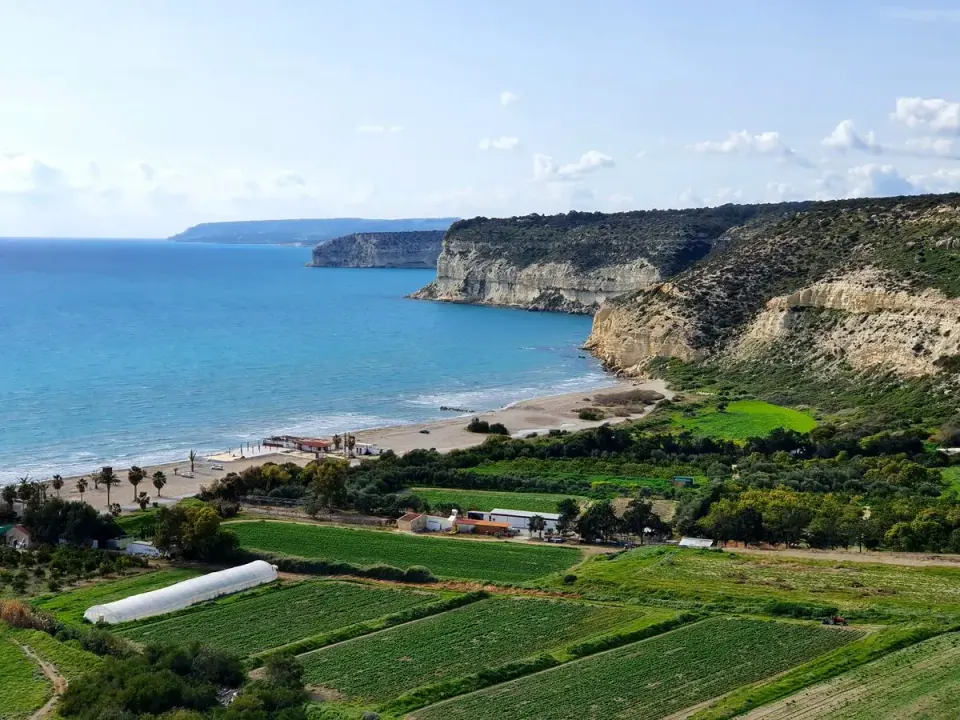
The beaches of Cyprus are a highlight of any visit. Summer is prime time for swimming and water sports. However, spring and autumn offer a more tranquil beach experience. Fig Tree Bay in Protaras and Makronissos Beach in Ayia Napa are must-visit spots.
Tips for Planning Your Perfect Cyprus Villa Holiday
Here are some practical tips to make the most of your trip:
- Book Early: Popular villas in Protaras and Ayia Napa get booked quickly, especially for summer and autumn.
- Check the Weather: Always check seasonal forecasts for your travel dates.
- Plan Activities: Whether it’s diving in Ayia Napa or hiking in Akamas Peninsula, plan ahead to make the most of your stay.
- Pack Smart: Use our Cyprus packing tips guide to ensure you’re prepared for every season.
Conclusion: The Best Time to Visit Cyprus
Whether you’re craving summer sunshine or a peaceful autumn retreat, Cyprus offers something for everyone. For travelers looking to rent a villa in Protaras or Ayia Napa, spring and autumn provide the perfect balance of weather, affordability, and activities. So, start planning your next Mediterranean escape, and let LA MER Homes help you find the ideal villa for your dream holiday.
Ready to Experience Cyprus?
Discover our handpicked selection of luxury villas in Protaras, Ayia Napa, and across Cyprus. Your perfect Mediterranean getaway awaits.
Additional advice: Best Time to Visit Cyprus: Month-by-Month Weather and Crowds
Cyprus is blessed with over 300 days of sunshine, and Protaras and Ayia Napa on the island’s sun-soaked southeast coast are among the most popular spots to enjoy it. If you’re wondering about the best time to visit Cyprus, this month-by-month weather and crowds guide will help you match your travel dates to your style—whether that’s quiet coastal walks, family-friendly beach days, or buzzing nightlife by the Mediterranean.
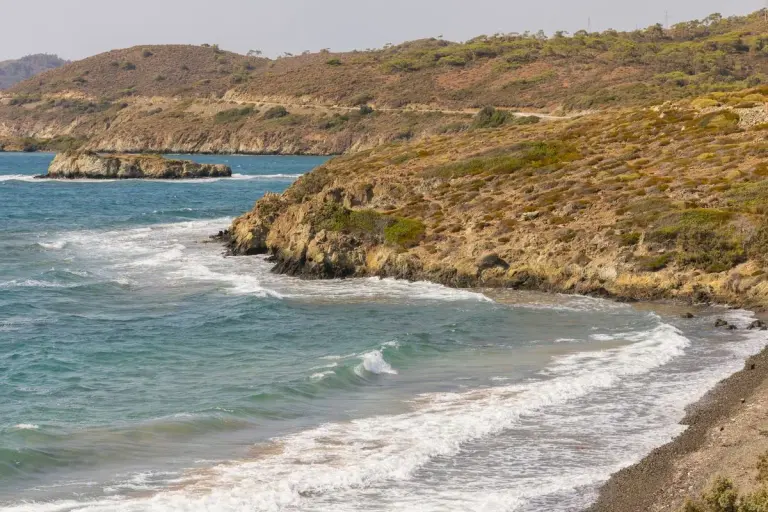
From shoulder-season steals to peak-summer energy, we break down temperatures, sea conditions, events, and practical planning tips—plus how to choose the right private pool villa in Cyprus for your trip.
When is the best time to visit Cyprus for beaches and calm seas?
For warm water swimming and reliable sunshine, late May to October is ideal. Sea temperatures climb from about late spring and usually stay inviting into mid-autumn. Summer brings long days and minimal rain, while September and early October balance warm seas with slightly thinner crowds—great for a Protaras family holiday or a relaxed stay in Ayia Napa villas away from peak-season bustle.
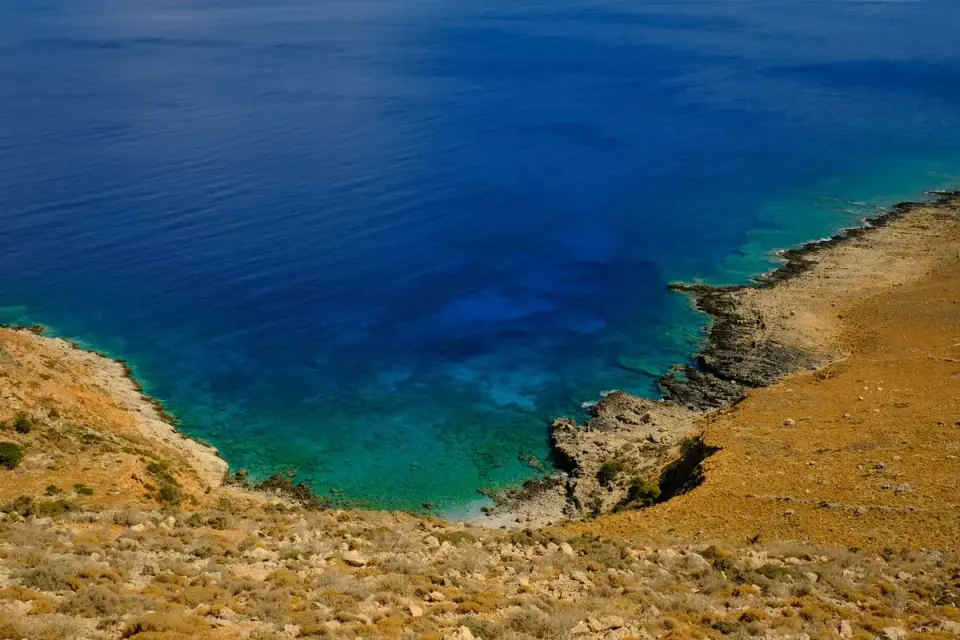
- Sweet spot for swimmers: September to early October—warm seas, gentler breezes, and golden evenings.
- Family-friendly comfort: Late May to June—plenty of sunshine without the peak summer heat.
- Active travelers: March to April and November—mild weather for Cape Greco walks and cycling.
January–February: Quiet, cool, and great for exploring
Weather: Mild days, cool evenings. Occasional rain keeps the island green. The sea is brisk, best for quick dips or wetsuit swims.
Crowds: Minimal. You’ll find peaceful coastal paths and room at top viewpoints.
Why go: Ideal for hikers and culture seekers. Cape Greco’s trails are lush and quiet, and heritage sites across Cyprus are less crowded.
Tips:

- Pack layers and light waterproofs for changeable conditions.
- Rent a car for flexible day trips—book through our car hire experiences for easy pickup.
- Villa perk: Heated or sheltered terraces are perfect for slow mornings with sea views.
March: Blue skies and the first hint of spring warmth
Weather: Increasing sunshine, comfortable for hiking and outdoor dining. Sea is still cool but improving.
Crowds: Low to moderate. Early spring breakers arrive later in the month.
Why go: Spring wildflowers bloom along Cape Greco walks, and tavernas in Protaras start to open for the season.
- Plan morning hikes to catch calm conditions at sea cliffs.
- Consider a spa afternoon—see spa and wellness experiences for in-villa treatments.
April: Shoulder-season sunshine and Easter buzz
Weather: Pleasant and bright. Daytime is warm; evenings can still be light-jumper cool.
Crowds: Picking up around Easter holidays, especially in Ayia Napa’s town center and popular beaches like Nissi.
Why go: Great blend of value and comfort. Excellent for families avoiding peak heat.
- Book early if traveling over Easter—villa availability tightens.
- Try early-season boat trips for coastal caves—check boat cruises and sunset trips.
May: Beach days begin in earnest
Weather: Consistently sunny, sea warming, perfect for long beach days at Fig Tree Bay and Konnos Beach.
Crowds: Moderate, with a friendly start-of-summer vibe.
Why go: One of the best all-round months for a private pool villa in Cyprus—balmy afternoons and comfortable nights.
- Reserve popular seaside restaurants for sunset dining.
- Families: Choose villas near child-friendly bays; see family villas.
June: Sun-soaked and lively, before peak
Weather: Hot, dry, and reliably sunny. Sea is inviting and clear, ideal for snorkeling.
Crowds: Increasing but not yet at July–August levels.
Why go: Great for water sports, day cruises, and long evenings outdoors.
- Plan midday pool time and go exploring early or late.
- Snorkel around the Blue Lagoon and Cape Greco coves—consider diving & snorkeling experiences.
Is July–August too hot to visit Cyprus?
July–August: The island is at its hottest and liveliest. Expect long, cloudless days and warm nights. Beaches hum with energy, beach clubs are in full swing, and Ayia Napa’s nightlife peaks. If you love action and guaranteed heat, it’s perfect; if you prefer quiet, consider a villa with shaded gardens and good airflow.
Tips for peak summer:
- Book early for the best selection of private pool villas—shade sails and pergolas make a big difference.
- Plan activity windows: sunrise beach walks, late-morning swims, siesta by the pool, sunset dinners.
- Hydrate and wear reef-safe sunscreen to protect both skin and the Mediterranean.
September: The island’s golden month
Weather: Warm days, warm sea, and softer evenings—many locals consider this the best time to visit Cyprus.
Crowds: Easing as families return to school; a calmer beach atmosphere.
Why go: Ideal for couples and families who want summer conditions with a relaxed pace. Perfect for a protaras family holiday: calm mornings at Fig Tree Bay and gentle afternoons by the pool.
- Reserve a day for a coastal cruise around Sea Caves and Cape Greco—book via sunset cruises for golden-hour photos.
- Shortlist restaurants in Pernera or Ayia Triada for quieter evenings.
October: Warm seas and softer light
Weather: Still beach-worthy, with balmy seas and comfortable daytime temperatures. Occasional breezy spells.
Crowds: Thinning, especially mid-late month. Great value on larger homes.
Why go: Superb for cycling, stand-up paddleboarding, and leisurely coastal hikes.
- Consider a large villa for group getaways and shoulder-season savings.
- Set aside time for Cape Greco walks—sunset viewpoints are spectacular and uncrowded.
November: Quiet charm and active days
Weather: Mild and changeable; many days are pleasantly warm with cooler evenings. Sea can still be swimmable for the hardy.
Crowds: Low. Beach towns adopt a slower local rhythm.
Why go: Hikers, food lovers, and photographers thrive in the softer light and empty trails.
- Base yourself near nature: Protaras’ coastal boardwalks are gorgeous under autumn skies.
- Drive inland for wineries and village tavernas—rent a car via car rentals.
December: Festive, peaceful, and great for walkers
Weather: Cool to mild with occasional rain; sea is at its coolest.
Crowds: Very low in resort areas; a cozy, authentic atmosphere.
Why go: Winter sun seekers and walkers enjoy crisp coastal air and open trails.
- Choose homes with bright living spaces for relaxed afternoons.
- Book an off-season spa day—see spa experiences for in-villa options.
How do crowds in Protaras and Ayia Napa change across the year?
Low season (Nov–Mar): Quiet towns, great rates, and serene landscapes. Perfect for hikers and couples seeking privacy.
Shoulder season (Apr–Jun, Oct): Balanced energy—open restaurants and activities without peak crush.
High season (Jul–Sep): Bustling beaches, lively nightlife, family fun, and festival vibes.
Pro tip: If nightlife is a priority, Ayia Napa shines in summer; for gentler, family-centric beaches, Protaras is superb from May to October.
What to pack by season for a Cyprus villa stay
- Spring (Mar–May): Layers, light knit for evenings, trainers for trails, reef-safe sunscreen.
- Summer (Jun–Aug): Sun hat, UPF swimwear, light cover-ups, reusable water bottle, sandals with grip for rocky coves.
- Autumn (Sep–Nov): Breezy layers, light jacket, snorkel gear, quick-dry towel.
- Winter (Dec–Feb): Light rain jacket, cozy layers, hiking shoes, daypack.
Cyprus villa booking tips: how to secure the right home
Matching your villa to your travel style is as important as picking the month. Here’s how to get it right:
- Book early for peak weeks. July–August and school holidays sell out fast—especially private pool villas and beachfront options.
- Prioritize location. For families, proximity to Fig Tree Bay, Sunrise Beach, or Konnos can simplify beach days. Explore villas in Protaras or holiday homes in Ayia Napa based on your vibe.
- Check sun exposure and shade. South-facing pools are fantastic in spring/autumn; in mid-summer, look for shaded pergolas.
- Consider car-free convenience. If you plan to walk to beaches and restaurants, filter for central locations. If exploring widely, pair your booking with car hire.
- Think activities. Snorkeling, SUP, and boat days are simpler with nearby marinas—book via our experiences hub.
Summer (Jun–Aug)
- Day 1: Ease in with a villa pool day and sunset at Cape Greco viewpoint.
- Day 2: Early swim at Fig Tree Bay; late lunch in Pernera; evening stroll on the coastal boardwalk.
- Day 3: Boat day to Sea Caves and Blue Lagoon—book a cruise.
- Day 4: Siesta and taverna night in Ayia Napa old harbor.
- Day 5: Konnos Beach SUP session; relax in shaded garden.
- Day 6: Snorkel and cliffside photo stops around Cape Greco.
- Day 7: Slow brunch, local bakery run, sunset swim.
Shoulder (Apr–May, Sep–Oct)
- Hike Cape Greco in the morning, beach afternoons, village dinners in Paralimni or Deryneia.
Winter/Spring (Nov–Mar)
- Nature trails, cultural day trips inland, and cozy villa evenings—great value on luxury villas.
Local know-how: beaches, bites, and small wins
- Best sunrise: Protaras boardwalk—bring coffee and watch the Mediterranean glow.
- Family-friendly bays: Fig Tree Bay and Kalamies for gentle entry and facilities.
- Quieter coves: Konnos and Green Bay on shoulder-season mornings.
- Dining: Seek traditional meze at local tavernas; book ahead on weekends.
- Cash + card: Most places take cards; small change is handy for beach loungers and kiosks.
LA MER Homes curates stays close to the coast and nature, making it easy to blend beach time with Cape Greco walks, boat trips, and poolside downtime.
Conclusion: Plan the right month for your Cyprus villa holiday
If you crave guaranteed heat and lively shores, July–August deliver. For warm seas and calmer beaches, September–October shine. Families who prefer milder days should target May–June, while hikers and culture lovers will enjoy March–April and November for cooler trails and quiet towns. Whatever your style, time your trip wisely and reserve early to find your perfect Cyprus villa in Protaras or Ayia Napa.
What is the best time to visit Cyprus for swimming?
Late May to October offers warm seas, with September and early October especially comfortable and less crowded.
November to March are quietest, with April, May, and October offering a balanced shoulder season.
Is August too hot for a protaras family holiday?
It’s hot but manageable with shade, early swims, and siestas—choose a villa with pergolas and air conditioning.
What month has the warmest sea in Protaras and Ayia Napa?
Typically August and September, with lingering warmth into early October.
Are Ayia Napa villas suitable for families outside peak season?
Yes—May–June and September–October are ideal for families seeking calm beaches and open facilities.
Can I hike Cape Greco in summer?
Yes, but go at sunrise or late afternoon, carry water, and use sun protection. Spring and autumn are more comfortable.
How far in advance should I book a private pool villa in Cyprus?
Book 6–9 months ahead for peak dates; 3–4 months is fine for shoulder season.
Additional advice: Best Time to Visit Cyprus for Beach Weather: A Seasonal Guide
If you're dreaming of pristine beaches, turquoise waters, and warm Mediterranean sunshine, Cyprus is the perfect destination. Whether you're planning a villa holiday in Protaras, exploring the vibrant nightlife of Ayia Napa, or seeking a serene retreat in the surrounding areas, the island offers year-round warmth and charm. But when is the best time to visit Cyprus for beach weather? Let’s dive into this seasonal guide to help you plan your perfect getaway.
What is the Weather Like in Cyprus Throughout the Year?
Cyprus enjoys a Mediterranean climate, meaning long, hot summers and mild winters. Here's a quick breakdown of the seasons:
- Spring (March to May): Temperatures range from 17°C to 25°C. Beaches are quieter, and the blooming landscapes add a touch of magic to the scenery.
- Summer (June to August): Expect highs of 30°C to 35°C, with plenty of sunshine—perfect for beach lovers.
- Autumn (September to November): Temperatures cool slightly to 25°C-30°C, offering warm seas and fewer crowds.
- Winter (December to February): While temperatures drop to 15°C-18°C, Cyprus remains one of the best places in Europe for winter sun.
When is the Best Time to Visit Cyprus for Beach Weather?
The best time to visit Cyprus for beach weather largely depends on what you're looking for:
- June to September: These peak summer months boast long days of sunshine, making them ideal for sunbathing and water sports. Areas like Protaras and Ayia Napa are buzzing with activity.
- May and October: Enjoy warm weather without the summer crowds. Sea temperatures are still inviting, and villa rentals often come at lower rates.
- April and November: Perfect for travelers who prefer milder warmth and quieter beaches. For example, Konnos Bay near Protaras is a peaceful haven during these months.
Is Winter Sun in Cyprus Worth It?
Absolutely! While winter might not be prime sunbathing season, Cyprus still enjoys mild, sunny days compared to most of Europe. The average temperature in Cyprus in October is around 25°C, gradually cooling to 17°C in December. Beaches like Nissi Beach in Ayia Napa remain accessible, and many travelers opt for villas with heated pools for year-round swimming.
Winter also provides a chance to explore Cyprus beyond the beaches. Stroll through the traditional villages in the Troodos Mountains or visit historic landmarks like the ancient Kourion ruins.
How Does the Beach Experience Differ by Season in Protaras and Ayia Napa?
Protaras: Known for its family-friendly beaches, Protaras is a summer hotspot with calm waters and golden sands. Fig Tree Bay is an iconic choice, especially in June or September when crowds thin out.
Ayia Napa: Famous for its vibrant atmosphere, Ayia Napa’s beaches like Nissi Beach and Makronissos Beach come alive in July and August. However, visiting in May or October allows for a quieter yet equally stunning experience.
What Should You Pack for a Beach Holiday in Cyprus?
Here’s a quick packing list to ensure you’re prepared for the weather:
- Spring/Autumn: Light layers, swimsuits, sunscreen, and comfortable walking shoes.
- Summer: Swimwear, beach sandals, a wide-brimmed hat, and high-SPF sunscreen. Don’t forget a reusable water bottle!
- Winter: Light sweaters, a waterproof jacket for occasional rain, and comfortable shoes for exploring.
Top Tips for Planning Your Villa Holiday in Cyprus
- Book Early: Popular destinations like Protaras and Ayia Napa fill up quickly during peak months. Check villa availability in Cyprus to secure your perfect holiday home.
- Choose Heated Pools: If visiting outside the summer months, opt for villas with heated pools for year-round comfort.
- Explore Local Events: Time your visit with festivals like the Limassol Wine Festival in September or the Epiphany celebrations in January for a unique cultural experience.
- Rent a Car: Many of Cyprus’s most stunning beaches, like Cape Greco, are best accessed by car.
Is Cyprus warm in October?
Yes, Cyprus in October remains warm with average temperatures around 25°C, making it perfect for beach holidays.
Does Cyprus have year-round beach weather?
While summer is best for beach weather, Cyprus offers mild winters with opportunities for sunny days and heated pool villas.
What is the best beach in Protaras?
Fig Tree Bay is Protaras’s most famous beach, loved for its clear waters and family-friendly atmosphere.
Can you swim in Cyprus in November?
Yes, sea temperatures remain comfortable in November, and many villas feature heated pools for extra comfort.
How crowded are Ayia Napa beaches in July?
Ayia Napa beaches are busiest in July, but early mornings and quieter spots like Makronissos Beach offer a more peaceful experience.
Are there any off-season discounts on villa rentals?
Yes! Off-season months like April, May, and October often feature discounted villa rates. Explore villa rentals for the best deals.
No matter when you visit, Cyprus offers something special for every traveler. From the sun-soaked beaches of Protaras and Ayia Napa to the serene charm of winter retreats, this Mediterranean gem is a year-round destination. Ready to start your adventure? Find the perfect villa for your dates and make your dream beach holiday a reality.
Additional advice: Best Time of Year to Visit Cyprus for Villa Rentals
Why Is Timing Important for Your Villa Holiday in Cyprus?
Planning the perfect villa holiday in Cyprus involves more than just choosing a rental; timing plays a huge role in shaping your experience. Whether you're after sunny skies, peaceful beaches, or lively festivals, each season in Cyprus offers something unique. Deciding when to visit Cyprus can help you better match your holiday preferences, ensuring an unforgettable trip.
Cyprus enjoys a Mediterranean climate, boasting over 300 days of sunshine annually. This makes it a year-round destination with distinct advantages depending on the season. From the bustling summer months in Protaras and Ayia Napa to the tranquil charm of winter, let's dive into the best times to visit Cyprus for a villa rental.
What Is the Peak Season for Villa Rentals in Cyprus?
The summer months, particularly from June to August, are considered peak season in Cyprus. This is when tourists flock to popular destinations like Ayia Napa and Protaras to enjoy sun-soaked days on sandy beaches and vibrant nightlife. If you're envisioning a villa holiday filled with BBQ dinners by the pool and day trips to captivating beaches such as Fig Tree Bay or Nissi Beach, summer is your season.
- Temperatures: Expect highs of 30-35°C (86-95°F), perfect for beach and pool days.
- Events: Don't miss the Ayia Napa International Festival in September, celebrating Cypriot culture with music, dance, and food.
- Tip: Book your villa early with LA MER Homes to secure the best locations and amenities during this in-demand period.
Is Spring a Good Time to Visit Cyprus?
Spring, spanning from March to May, is an excellent time to visit Cyprus for those seeking mild weather and fewer crowds. The island comes alive with wildflowers, and the Mediterranean landscapes are lush and green. This is an ideal season for outdoor enthusiasts and travelers who enjoy exploring historical sites like Konnos Bay or the Ayia Napa Monastery.
Temperatures during spring range from 18-25°C (64-77°F), making it comfortable for activities like hiking coastal trails or dining al fresco at charming tavernas in Protaras. Plus, villa rentals are more affordable than in peak summer months.

Should You Consider Autumn for a Cyprus Villa Holiday?
Autumn, particularly September and October, rivals summer as the best time for a villa holiday in Cyprus. The weather remains warm, with temperatures between 26-30°C (79-86°F), and the sea is still perfect for swimming after being warmed by the summer sun.
Autumn also offers fewer crowds, giving you the chance to explore landmarks like the Sea Caves of Ayia Napa or Cape Greco National Park without hassle. It's also grape harvest season, so wine lovers can enjoy local vineyard tours and tastings.
What About Winter in Cyprus?
While winter in Cyprus (November to February) is cooler, it’s far from cold compared to other European destinations. Temperatures hover around 15-20°C (59-68°F), making it pleasant for sightseeing and cultural experiences. This is the perfect season for travelers who prefer serenity and don’t mind missing out on beach activities.
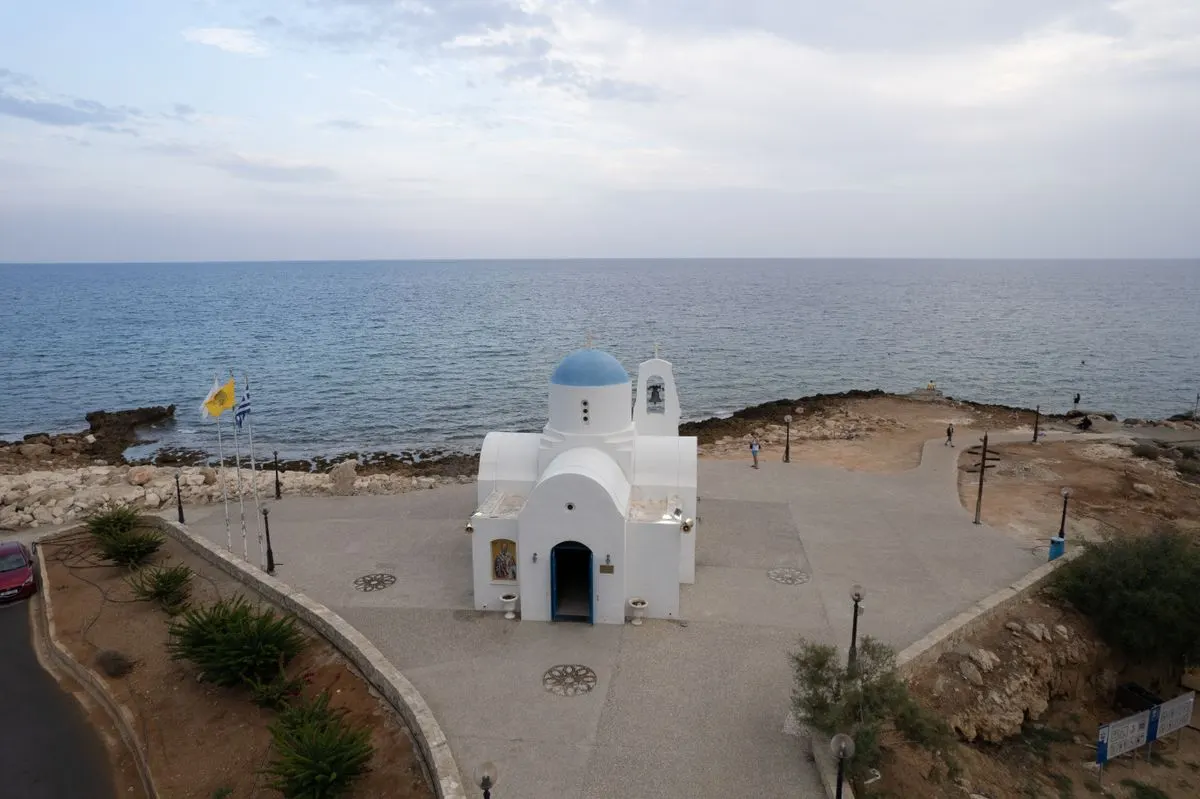
Winter villa rentals are a great choice for those seeking a quiet retreat. Visit Protaras to enjoy cozy evenings by the fireplace or explore Ayia Napa's quieter side by strolling along its picturesque harbors.
Another bonus? Villa prices tend to drop significantly during the off-season, allowing you to enjoy luxury on a budget.
What Are the Top Tips for Planning Your Trip?
Here are some practical tips to help you make the most of your Cyprus villa holiday:
- Book Early: If traveling during peak summer, secure your villa months in advance for the best options.
- Travel Light: Use our packing tips guide to prepare for Cyprus' warm climate and casual lifestyle.
- Research Activities: Plan visits to local attractions, such as hidden beaches or cultural landmarks.
- Car Rental: Renting a car is highly recommended for exploring lesser-known gems like Cape Greco or the Troodos Mountains.
Conclusion: When Is the Best Time for Your Cyprus Villa Holiday?
Ultimately, the best time to visit Cyprus depends on your preferences. Whether you love the buzz of summer, the blooming beauty of spring, or the tranquility of winter, Cyprus offers a unique experience year-round. For travelers planning a luxurious villa holiday in Protaras or Ayia Napa, consider your desired activities and book accordingly for the perfect getaway.
At LA MER Homes, we offer a diverse selection of Cyprus villas to match every traveler’s needs. Start planning your dream holiday today!
Additional advice: Best Time to Visit Cyprus for the Perfect Villa Holiday
When Is the Best Time to Visit Cyprus for a Villa Holiday?
Cyprus is a year-round destination, but choosing the best time to visit depends on what you want from your villa holiday. Whether you crave beach days, cultural experiences, or quiet relaxation, this Mediterranean gem offers something for everyone every season. Let’s dive into what each time of year offers to help you plan the perfect getaway in Protaras, Ayia Napa, or beyond.
What Is Cyprus Like in Spring?
Spring, spanning from March to May, is one of the most delightful times to visit Cyprus. The island blooms with colorful wildflowers, and the weather is warm but not overbearing, typically ranging from 15°C to 25°C. It’s the perfect season for outdoor activities like hiking in the Troodos Mountains or exploring Cape Greco National Forest Park near Protaras.

If you’re staying in a villa, spring is ideal for enjoying outdoor pools and dining al fresco without battling the summer heat. Plus, with fewer tourists compared to peak summer, you’ll find it easier to book top villas and experience attractions without crowds.
Top Spring Activities:
- Visit the Cyprus Wine Villages to sample local Commandaria wine.
- Stroll through the cobbled streets of Lefkara, known for lace-making and silverware.
- Enjoy birdwatching at the Larnaca Salt Lake, home to flamingos during this season.
How to Choose the Perfect Time for Your Villa Holiday?
Choosing when to visit Cyprus depends on your preferences:
- If you love sunbathing and vibrant nightlife, summer is your season.
- For tranquil beaches and blooming landscapes, opt for spring.
- Autumn offers great weather with fewer crowds, perfect for exploring.
- Winter is ideal for cultural immersion and outdoor adventures.
No matter when you visit, booking your villa with trusted providers like LA MER Homes ensures a memorable stay. From private pools to stunning sea views, you’ll find the perfect home base for your Cyprus adventures.
Final Thoughts: Why Cyprus Is a Year-Round Destination
Cyprus’s diverse seasons and activities make it a dream destination for villa holidays any time of year. Whether you’re planning a family trip, romantic escape, or solo adventure, there’s never a bad time to experience the charm of Protaras, Ayia Napa, and other Mediterranean gems. Start planning your trip today and discover why Cyprus is a favorite for travelers worldwide.