Local Customs and Etiquette in Cyprus: What to Know
Discover local customs and etiquette in Cyprus to make the most of your villa holiday. A practical guide for respectful and enjoyable travel.
Why Should You Learn About Local Customs in Cyprus?
Traveling to Cyprus—whether you're staying in a luxurious villa in Protaras or a beachfront home in Ayia Napa—is about more than just the sun, sea, and sand. Embracing local customs and etiquette helps you connect with the culture, avoid unintentional faux pas, and enrich your experience. Cyprus, a Mediterranean paradise, boasts a unique mix of Greek and Turkish influences, alongside its own distinct traditions that are worth knowing before your visit.
Understanding local customs ensures your interactions, whether in a bustling Ayia Napa market or a tranquil Protaras taverna, are respectful and appreciated. So, let’s dive into the do’s and don’ts that will make your Cyprus villa holiday more authentic and enjoyable.
What Are the Key Greetings and Social Etiquette in Cyprus?
First impressions matter in Cyprus, and greetings are a vital aspect of social interactions. The typical Cypriot greeting is a warm handshake, accompanied by direct eye contact and a smile. Among close friends or family, cheek kisses—one on each cheek—are common.
If you're meeting locals in Protaras or Ayia Napa, addressing people formally (using titles such as Mr., Mrs., or Ms.) is polite, especially with older individuals. When invited into someone's home, it's customary to bring a small gift such as wine, dessert, or flowers. These little gestures go a long way in showing respect for Cypriot hospitality, which is famously warm and generous.
How Should You Dress in Cyprus?
While Cyprus has a relaxed approach to fashion, particularly in tourist hotspots like Ayia Napa, it's important to dress appropriately depending on the location. Beachwear is perfectly fine for the beach or pool, but when entering towns, churches, or restaurants, modest attire is appreciated. In religious sites, such as the Ayia Napa Monastery or the Church of Profitis Elias in Protaras, ensure shoulders and knees are covered.
If you’re heading out for a meal or evening stroll, casual-chic clothing is the standard. Lightweight fabrics are ideal for the Mediterranean climate, but be prepared to carry a light jacket for cooler evenings, especially in the months of April or October.
What Dining Etiquette Should You Be Aware Of?
Food is a cornerstone of Cypriot culture, and dining experiences often last hours, especially when enjoying a traditional meze. When dining out, it’s polite to wait for the host to start eating before you do. Sharing food is common, so don’t hesitate to pass around dishes or try everything on the table.
Tipping is customary in Cyprus, generally around 10% of the bill. In Protaras and Ayia Napa restaurants, some bills might include a service charge, so check before tipping extra. If you're invited to a Cypriot household, always accept a second helping—it’s seen as a compliment to the host’s cooking.
What Role Does Religion Play in Daily Life?
Religion is deeply embedded in Cypriot culture, with the majority of the population practicing Greek Orthodox Christianity. Sundays are often reserved for church and family time, and you may notice businesses operating on reduced hours during religious holidays.
If visiting religious sites, such as the Agia Napa Monastery or the Church of St. Lazarus in Larnaca, respect the sanctity of these spaces by maintaining a quiet demeanor and dressing modestly. Photography may be restricted inside, so always ask before taking pictures.
Are There Any Unique Cypriot Traditions You Should Know About?
Cyprus is rich in unique traditions that may surprise visitors. For example, name days are often celebrated more lavishly than birthdays. If you're lucky enough to witness a wedding during your visit, you might see the traditional money dance, where guests pin money onto the couple’s attire.
Another fascinating custom is the celebration of Green Monday, marking the start of Lent. On this day, locals gather for outdoor picnics featuring vegetarian dishes and engage in kite flying. If you're in Protaras or Ayia Napa during this time, join in the festivities for a true taste of Cypriot culture.
What Are Some Practical Cyprus Travel Tips?
- Driving: Cyprus follows left-hand driving, and renting a car is highly recommended for exploring areas like Cape Greco or the Troodos Mountains. Use car hire services in Cyprus for convenience.
- Currency: The Euro is the official currency, so ensure you have some cash on hand for markets or smaller establishments in Protaras or Ayia Napa.
- Tap Water: Tap water is safe to drink in most parts of Cyprus, but bottled water is widely available if you prefer.
- Time Zone: Cyprus operates on Eastern European Time (EET), so adjust your clocks accordingly.
For more practical tips, check out our comprehensive travel guides.
FAQs
- Do I need to tip in Cyprus? Yes, a 10% tip is customary unless a service charge is included in your bill.
- Is English widely spoken in Cyprus? Yes, English is commonly spoken, especially in tourist zones like Protaras and Ayia Napa.
- What is the best way to get around Cyprus? Renting a car is the most convenient option, especially for visiting remote areas and beaches.
- What should I wear when visiting religious sites? Modest clothing covering the shoulders and knees is required.
- Are there restrictions on photography? Some religious sites may restrict photography; always ask before taking pictures.
- What’s the etiquette for attending a Cypriot wedding? Bringing a gift or monetary envelope for the couple is customary.
Ready to immerse yourself in Cypriot culture? Explore Protaras villas or browse Ayia Napa holiday homes for the perfect base to experience local traditions. For added luxury, see villas with private pools.
Don't wait—find your perfect Cyprus villa - check availability today!
Find Your Perfect Cyprus Villa
Browse our handpicked collection of holiday villas in Cyprus. Private pools, great locations, and everything you need for an unforgettable stay.
Additional advice: Local Customs and Etiquette in Cyprus: A Traveler's Guide
Why is Understanding Local Customs Important for Your Cyprus Holiday?
When planning your villa holiday in Cyprus, understanding the local customs and etiquette is essential to ensure a smooth and enriching experience. Cyprus, a Mediterranean gem, is known for its warm hospitality, rich traditions, and vibrant culture. By familiarizing yourself with the island's unique practices, you can enjoy meaningful interactions with locals and make the most of your stay in Protaras, Ayia Napa, or other charming destinations.
Cypriots are incredibly friendly and value polite interactions. When meeting someone, a handshake, a smile, and direct eye contact go a long way. In more informal settings, especially if you’re staying in a villa and mingling with neighbors, it’s common to greet with a kiss on both cheeks—this is particularly common among friends and family.
If you’re invited to someone’s home, be sure to bring a small gift such as sweets, wine, or flowers as a token of appreciation. Saying “Kalimera” (good morning) or “Kalispera” (good evening) in Greek can also leave a positive impression.
Are There Dress Code Expectations in Cyprus?
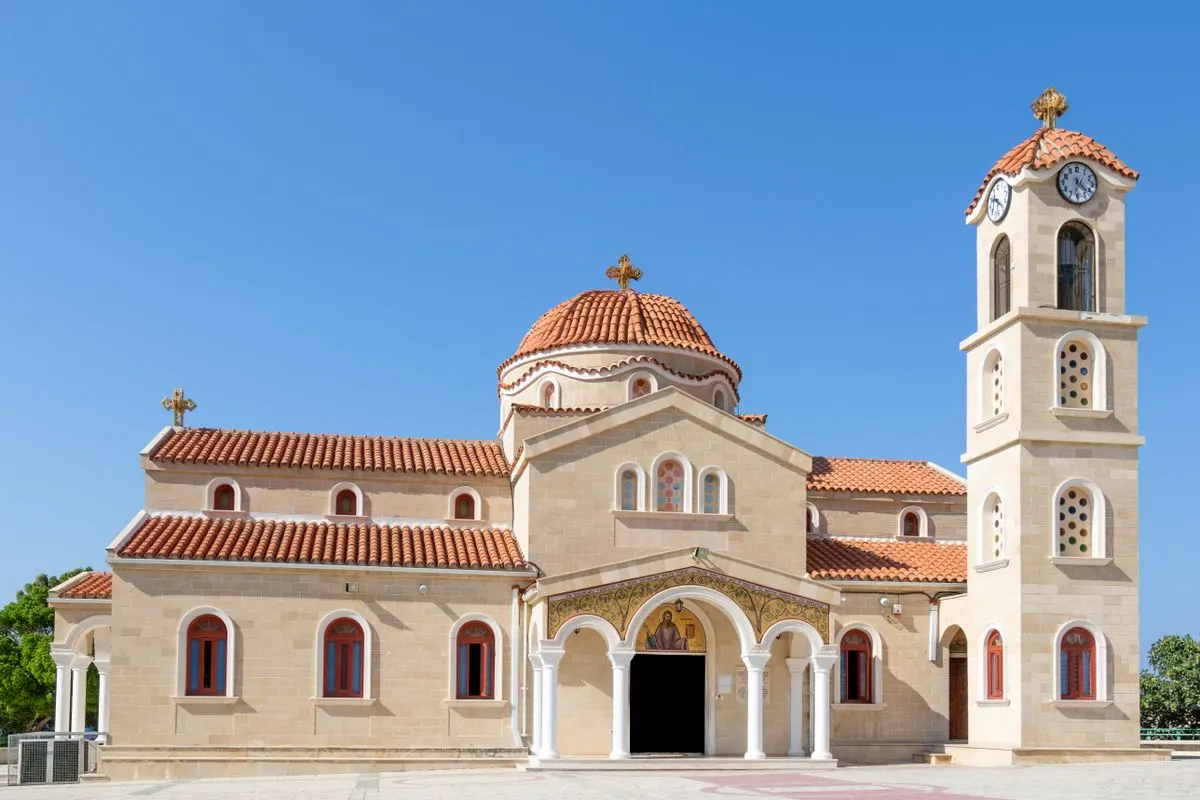
While Cyprus is generally laid-back with its Mediterranean vibe, certain situations call for modest attire. For example, if you plan to visit one of the island’s stunning monasteries or churches, such as Ayia Napa Monastery or the Church of Profitis Elias in Protaras, ensure your shoulders and knees are covered.
At beaches like Fig Tree Bay or Nissi Beach, swimwear is perfectly acceptable, but avoid wearing it in town or at restaurants. Smart casual attire is appreciated when dining out, especially at high-end establishments.

Dining Etiquette: What Should You Know Before Eating Out?
Cypriot cuisine is a highlight of any villa holiday in Cyprus, and dining out is a cultural experience in itself. Meals are often a leisurely affair, with family and friends gathering to enjoy meze—a collection of small dishes.
Here are some tips to keep in mind:
- Wait for the host: If you’re dining with locals, wait for the host to begin eating before starting.
- Sharing is caring: Cypriot meals are usually served family-style, so get comfortable sharing dishes.
- Don’t rush: Meals in Cyprus are a time to relax and socialize, so savor the experience.
- Tipping: A 10-15% tip is appreciated in restaurants, even if a service charge is included.
When staying in a villa, you might also want to try preparing some local dishes yourself using fresh ingredients from markets in Ayia Napa or Larnaca.

How Do You Respect Religious and Cultural Practices?
Cyprus has a deep-rooted Orthodox Christian tradition, which influences many aspects of daily life. If you visit during Easter, for example, you’ll witness vibrant celebrations, including midnight church services and festive feasts. Visitors are welcome to participate respectfully—just follow the lead of locals.
Remember to avoid loud conversations or interruptions during religious services. Photography may be restricted in some sacred spaces, so always ask for permission first.
What’s the Local Approach to Time and Punctuality?
Cyprus operates on “island time,” which means things tend to move at a more relaxed pace. While punctuality is still appreciated, especially for formal appointments or guided tours, don’t be surprised if social gatherings start a bit later than planned. This laid-back attitude is all part of the Mediterranean charm!
Are There Specific Driving Etiquette Tips for Tourists?
If you plan to rent a car during your Cyprus travel, keep in mind that driving is on the left-hand side of the road. Be cautious at roundabouts and always give priority to the right unless otherwise indicated. Parking in Protaras or Ayia Napa can get busy during peak tourist seasons, so plan accordingly.
Here are a few additional tips:
- Always wear your seatbelt and avoid using your mobile phone while driving.
- Be patient with local drivers, who may occasionally stop to chat or take their time.
- Look out for signs in both Greek and English, making navigation easier for tourists.
What Are Some Tips for Shopping and Bargaining?
Shopping in Cyprus is a delightful experience, especially in local markets where you can find handmade crafts, lace, leather goods, and traditional sweets like loukoumia. While bargaining isn’t common in malls or branded stores, it’s more acceptable in open-air markets.
When shopping in areas like the Ayia Napa Municipal Market, try these tips:
- Politely ask, “Is this your best price?”
- Be friendly and engaging during the negotiation process.
- A small discount is often achievable, but don’t push too hard—it’s about building a rapport.
Conclusion: Embrace the Warmth of Cyprus
Understanding the local customs and etiquette in Cyprus can enhance your holiday and help you connect with the island’s culture on a deeper level. Whether you’re exploring the scenic coastline of Protaras, enjoying nightlife in Ayia Napa, or savoring Mediterranean cuisine, a little cultural awareness goes a long way.
For a seamless and immersive experience, consider booking a villa holiday through trusted providers like LA MER Homes. With options near cultural landmarks and pristine beaches, your stay will be both comfortable and unforgettable.
Ready to Experience Cyprus?
Discover our handpicked selection of luxury villas in Protaras, Ayia Napa, and across Cyprus. Your perfect Mediterranean getaway awaits.