Local Customs and Etiquette in Cyprus: Your Essential Travel Guide
Discover the local customs and etiquette in Cyprus to make the most of your villa holiday in Protaras, Ayia Napa, and beyond. Travel smart and respectful!
Why Is Understanding Local Customs in Cyprus Important?
When you visit Cyprus, a Mediterranean island known for its stunning beaches, vibrant culture, and historic landmarks, understanding local customs can enhance your villa holiday experience. Whether you're planning to explore Protaras' serene coastlines or Ayia Napa's lively nightlife, being aware of Cypriot traditions helps you connect with locals and avoid unintentional faux pas.
Cyprus is a welcoming destination, blending Greek, Turkish, and Middle Eastern influences into its rich culture. However, certain customs, like greeting gestures or dining etiquette, might differ from what you're used to. By respecting these traditions, you'll not only feel more at home but also foster positive interactions during your stay.
How Should You Greet People in Cyprus?
Greetings in Cyprus are typically warm and friendly. When meeting someone for the first time, a handshake accompanied by direct eye contact is customary. Among friends or family, it’s common to exchange a kiss on both cheeks, starting with the right cheek.
If you're unsure how to greet someone, observe their body language or follow their lead. Cypriots value politeness, so adding a "Kalimera" (good morning) or "Kalispera" (good evening) in Greek can leave a great impression. In more casual settings, "Yia sou" (hi/hello) is perfectly acceptable.
Pro tip: While exploring Protaras or Ayia Napa, you'll find that locals are used to tourists, but making an effort to use basic Greek phrases can earn you smiles and extra hospitality.
What Should You Know About Dining Etiquette in Cyprus?
Food plays a significant role in Cypriot culture, and dining is often a leisurely, social affair. Whether you're enjoying fresh seafood in a coastal taverna in Protaras or sampling traditional meze in Ayia Napa, it’s important to know some dining customs:
- Sharing is caring: Meze dishes are meant to be shared, so don’t hesitate to dig into the communal plates.
- Wait to be seated: In traditional restaurants, it’s polite to wait for the host to direct you to your table.
- Toast with "Stin iyia mas": If someone proposes a toast, respond with "Stin iyia mas" (to our health) before sipping your drink.
- Tip generously: While a service charge may be included, leaving an additional tip (10-15%) is appreciated.
Remember to take your time and savor the meal—rushing through dinner is not the Cypriot way!
Is Modesty in Dress Important?
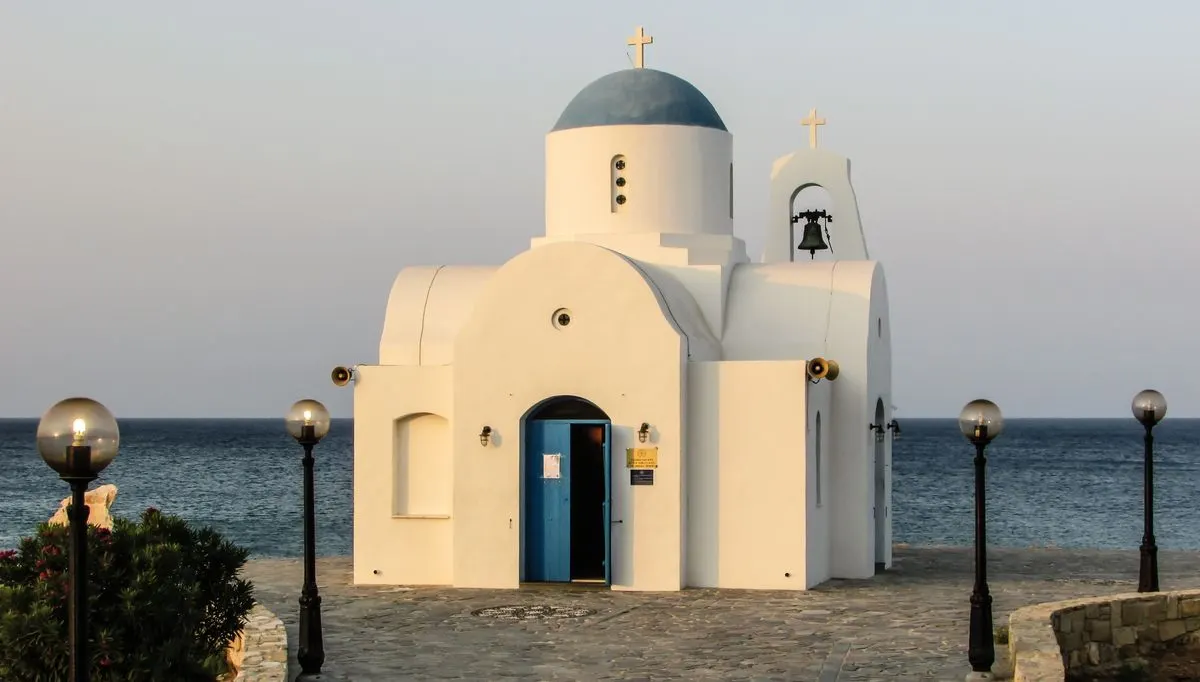
While Cyprus is a modern, tourist-friendly destination, modesty is advised in certain settings. Around beaches and pool areas, swimsuits and casual attire are perfectly acceptable. However, if you're visiting religious sites such as churches or monasteries, ensure your shoulders and knees are covered. Carrying a lightweight scarf or shawl in your bag can be a lifesaver.

In towns like Ayia Napa, known for its vibrant nightlife, you’ll find a more relaxed dress code. But in quieter areas like Protaras, the community may appreciate a slightly more conservative approach.
What Are Some Key Religious and Holiday Traditions?
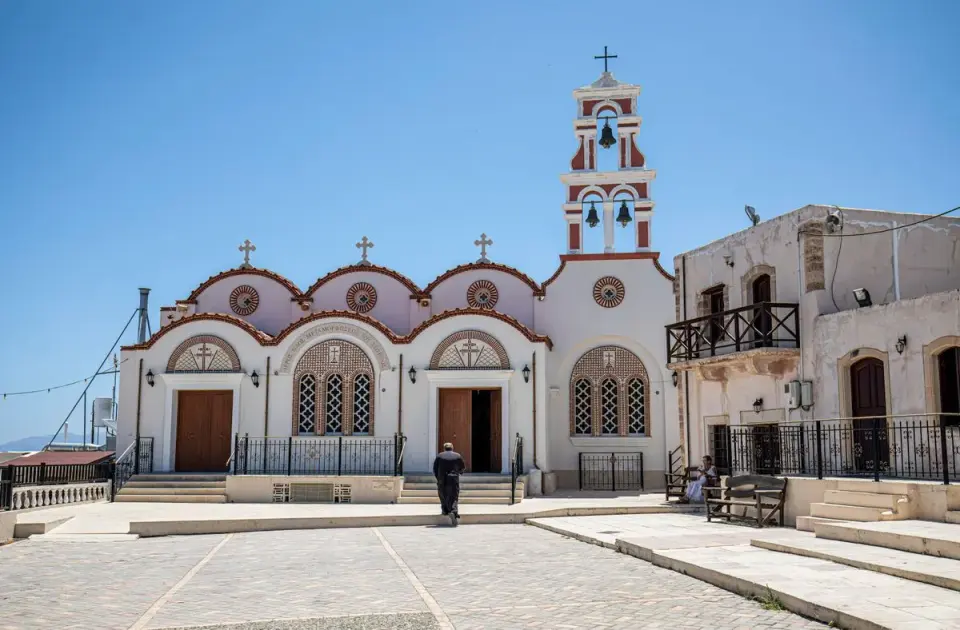
Religion plays an integral role in Cypriot life, with the majority of locals being Greek Orthodox Christians. If your villa holiday coincides with a religious festival, consider it a unique cultural experience! Key events include:
- Greek Orthodox Easter: The most important religious holiday in Cyprus, featuring midnight church services, candle-lit processions, and feasts with lamb and "flaounes" (traditional pastries).
- Kataklysmos Festival: Celebrated in coastal towns like Ayia Napa, this festival marks the Pentecost with water sports, music, and dancing.
Visitors are always welcome to participate in these celebrations, but remember to be respectful and observe local practices.
How Do Locals Feel About Time and Punctuality?
In Cyprus, life moves at a slower, more relaxed pace—a concept often referred to as "island time." While punctuality is valued for formal appointments, a degree of flexibility is common in social settings. For example, if you're invited to a local's home for dinner, arriving 15-20 minutes late is often acceptable.
When booking activities or excursions, especially in tourist hubs like Protaras and Ayia Napa, confirm timings in advance to ensure smooth plans.
Are There Unique Customs for Tourists to Be Aware Of?
Certain customs in Cyprus might surprise first-time visitors. Here are a few unique ones to keep in mind:
- Respect family values: Family is central to Cypriot culture, so public displays of disrespect or rudeness towards elders are frowned upon.
- Gift-giving: If invited to a local's home, it's customary to bring a small gift, such as wine, sweets, or flowers.
- No Sunday shopping: Many shops outside tourist areas remain closed on Sundays, so plan accordingly.
- Driving etiquette: Cypriots drive on the left side of the road, and using a car horn is considered impolite unless absolutely necessary.
By keeping these nuances in mind, you’ll blend in seamlessly and enjoy a more authentic experience.
Conclusion: Embrace the Cypriot Way of Life
Cyprus offers a unique blend of natural beauty, rich history, and warm hospitality, making it a dream destination for travelers. By understanding and respecting local customs, you can elevate your villa holiday in Protaras, Ayia Napa, or other parts of the island. Whether it's sharing a meze meal, learning a few Greek phrases, or embracing "island time," these small gestures go a long way in creating unforgettable memories.
When planning your next trip, explore the luxurious villa options with LA MER Homes, designed to make your stay in Cyprus extraordinary. Remember, the key to a perfect holiday is not just where you stay but how you connect with the culture and people around you.
Ready to Experience Cyprus?
Discover our handpicked selection of luxury villas in Protaras, Ayia Napa, and across Cyprus. Your perfect Mediterranean getaway awaits.