Ayia Napa Monastery: History, Architecture and Visiting Guide - First-Timer's Edition
Location: Cyprus, Cyprus · Category: Cultural Heritage
Stay near the history - villas in Cyprus...
Ayia Napa Monastery: History, Architecture and Visiting Guide – First-Timer’s Edition
Stay near the history - villas in Cyprus
In the heart of Ayia Napa, Cyprus, the medieval Ayia Napa Monastery is a serene counterpoint to the town’s beach buzz and nightlife. For first-timers exploring Cyprus history and cultural sites Cyprus is known for, this honey-hued stone sanctuary offers a rare window into centuries of faith, folklore, and village life. Set beside a natural spring and shaded by a legendary sycamore tree, the Ayia Napa monastery invites slow wandering, quiet reflection, and a deeper connection to Cypriot traditions—all within walking distance of cafés, the Harbour, and the sculpture-dotted seaside promenade.
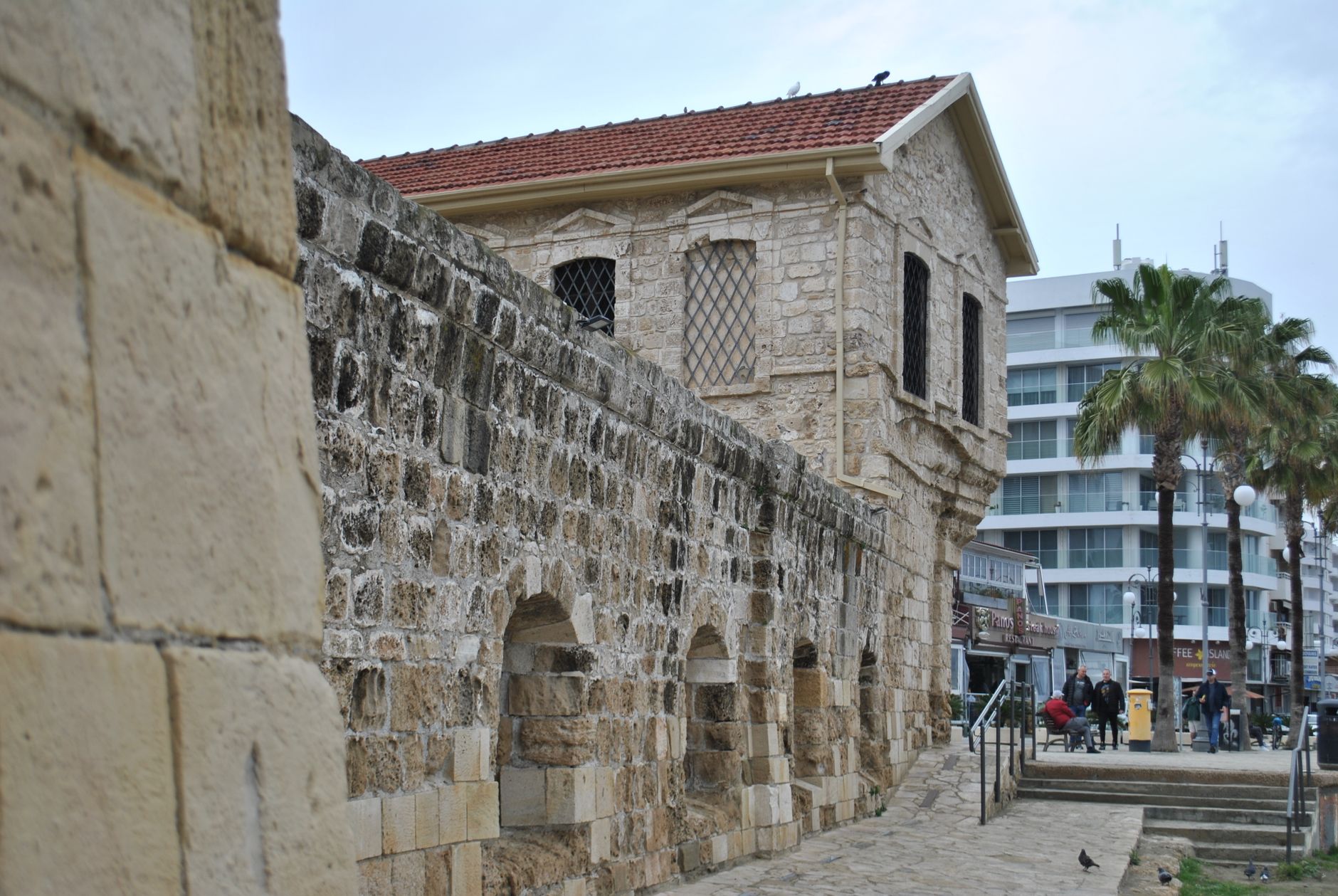
Ayia Napa Monastery at a Glance
What it is: A 15th–16th century monastery complex dedicated to the Virgin Mary, once a pivotal pilgrimage site, now an active church courtyard and cultural landmark.
Where: Central Ayia Napa, close to the main square and a short stroll from the harbour and seafront. It’s the town’s oldest and most important historic monument.
Why go: To experience a calm, contemplative Cyprus heritage site amid lively resort surroundings; to see exquisite Venetian-era stonework; and to dip into local legends connected to the monastery’s miraculous icon and spring.
Who it suits: Culture-curious travelers, photographers, families seeking a balanced day of history and beach time, and anyone looking to understand the region’s roots beyond the sand and surf.
From Hidden Icon to Holy Landmark: A Brief History
Ayia Napa’s origin story begins with a discovery. According to local lore, a hunter found an icon of the Virgin Mary hidden in a cave near a freshwater spring—“Napa” likely stems from an ancient word for wooded valley. The icon inspired the creation of a small chapel, which later blossomed into the monastery complex seen today. While the exact founding date is debated, much of the architecture points to the late medieval and early Venetian periods (15th–16th centuries).
Cyprus history swept through these courtyards: Venetian influence preceded the Ottoman era, and the site shifted from monastic life to a parish focus as the area evolved. By the 18th–19th centuries, the monastery’s monastic community had waned, but the church remained a vital spiritual anchor for local residents. Today, the complex is both a sacred space and a cultural venue, hosting occasional events and ceremonies while continuing to welcome visitors of all backgrounds.
Tip: Visit the small cave-chapel area and spring—these older elements connect you to the earliest chapters of the site’s story and remain atmospheric, especially during the quieter morning hours.

Reading the Stones: Architecture and Iconic Features
The Ayia Napa monastery is a compact yet intricate complex, rich with features typical of late-medieval Cypriot ecclesiastical architecture, touched by Venetian aesthetics. Keep an eye out for the following:
- Central Courtyard and Fountain: The heart of the complex, with stone paving and a domed fountain house often photographed from every angle. It’s a prime spot to appreciate the monastery’s symmetry and calm.
- Arched Cloisters: Low, rhythmic arcades around the courtyard offer welcome shade. The masonry—rough-hewn yet elegant—reveals centuries of weathering and craftsmanship.
- Church and Cave-Chapel: The main church combines modest exteriors with spiritual resonance inside. Nearby, the small cave-chapel hints at the site’s earliest devotional use, anchored by the spring that made settlement here possible.
- Venetian Flourishes: Decorative stonework, simple carved motifs, and proportionate arches reflect influences from the Venetian period in Cyprus.
- The Sycamore Tree: Local tradition holds that the large sycamore in the courtyard is centuries old. Its broad canopy shapes the monastery’s microclimate, making even summer midday visits comfortable.
Photography lovers will find the best light early morning when the stone glows softly, or late afternoon when long shadows define the arches. Please be respectful of worshippers if services are taking place.
Planning Your Visit: Practical Information for First-Timers
Best Time to Go
- Morning calm: Arrive before the day heats up and before nearby cafés get busy. You’ll have quieter moments for photos and reflection.
- Shoulder seasons: Spring (Mar–May) and autumn (Sep–Nov) offer gentler temperatures and fewer crowds—ideal for pairing the monastery with coastal walks or nearby museum stops.
- Religious holidays: Around major Orthodox feast days you may witness processions or special services. Dress modestly and be mindful of photography.
What to Wear and Bring
- Modest attire: Shoulders covered and hemlines to the knee are appreciated. Carry a light scarf or shawl if you’re visiting multiple churches.
- Footwear: Comfortable flats or sandals with grip—stone paving can be uneven.
- Essentials: Refillable water bottle, small cash for any donations, and a hat in summer. Flash photography is generally discouraged indoors.
How to Get There
- On foot: The monastery sits in central Ayia Napa, near the main square. Signage is clear from the pedestrian-friendly streets.
- By car: Use Ayia Napa’s public car parks around the center and stroll in; spaces fill up in summer—arrive early.
- By bus: Regional routes from Protaras, Paralimni, and Larnaca stop in central Ayia Napa. Check current timetables via local operators or the official tourism portal at Visit Cyprus.
- Taxis: Readily available; agree on an approximate fare before setting off.
Opening and Etiquette Notes
- The courtyard and exterior areas are typically accessible during daylight hours. The church may have specific service times—if a liturgy is underway, wait quietly or return later.
- Keep voices low, remove hats inside the church, and avoid intrusive photography when worshippers are present.
- Children are welcome—brief them on indoor behavior and no climbing on stonework.
What to See Nearby: Culture, Coast and Coffee
A visit to the Ayia Napa monastery pairs nicely with a curated day around town. Blend heritage with seaside strolls and local bites:
- Thalassa Municipal Museum: Explore maritime heritage, ship replicas, and exhibits on the island’s relationship with the sea.
- Ayia Napa Sculpture Park & Sea Caves: Walk among large-scale artworks overlooking the sea, then continue to the coastal path for breezy views and photo stops near the natural sea arches.
- Harbour Promenade: A relaxed walk from the monastery to the Harbour offers cafés serving Cypriot coffee and seafood meze.
- Beaches: Combine culture with a swim. Nissi Beach brings a lively vibe and shallow water; Pantachou Beach is closer to town and great for an after-visit dip; Konnos Bay (a short drive) is beloved for its clear, sheltered waters.
- Local Churches: Seek out smaller chapels like Agios Epifanios viewpoint chapel for a peaceful sunset panorama over the coastline.

Insider Tips: Make the Most of Your Monastery Stop
- Arrive with a plan, but linger: Allocate at least 30–45 minutes to explore the courtyard, read interpretive plaques, and enjoy the shade beneath the sycamore.
- Sound and silence: Early mornings often bring birdsong and the splash of the fountain—perfect for ambient recordings or mindful breaks.
- Respectful photos: Capture the arches, fountain, and textures outside; keep devices silent inside the church and avoid flash.
- Combine with brunch: After your visit, try a nearby café for halloumi-filled sandwiches or a traditional Cypriot breakfast with village bread, olives, and local honey.
- Seasonal events: In peak season, cultural happenings in Ayia Napa’s square may include live music or folk dance—ask your host or check the municipality’s listings.
Staying Close to Culture: Where to Base Yourself
Choosing accommodation near the monastery places you within easy reach of history, cafés, and the coast. Base in central Ayia Napa for car-free evenings, or in quieter neighborhoods around Cape Greco for serene mornings and short drives to cultural sites Cyprus celebrates.
- Central Ayia Napa: Great for walkers. Evenings bring a lively atmosphere; mornings are calm and photogenic around the monastery and square.
- Cape Greco & Konnos area: Ideal for nature lovers with cliff trails and snorkeling spots—still convenient for quick cultural excursions into town.
- Protaras & Pernera: Family-friendly beach hubs with easy bus or taxi connections to Ayia Napa’s heritage sights.
Find well-located villas for cultural exploration
For flexible itineraries, consider a villa base with space to unwind after sightseeing. Private pools are a bonus in summer—browse options in our pool villas collection or check luxury villas if you’re planning a special-occasion trip. To see the full island and its heritage sites, start with our curated villa rentals in Cyprus and plan day trips to Larnaca’s churches, Lefkara’s lace-making village, and the walled city of Nicosia.
Etiquette and Understanding Cypriot Traditions
Places of worship across Cyprus are living spaces for community and ritual. A few thoughtful practices go a long way:
- Modesty: Shoulders and knees covered inside; hats off in church spaces.
- Icons and candles: It’s customary to light a candle and stand quietly for a moment. Photography of icons may be restricted—look for signs.
- Donations: Small contributions help maintain heritage sites. Cash boxes are typically near entrances.
- Language: A simple “Kalimera” (good morning) or “Efharistó” (thank you) is always appreciated.
Want more cultural context? Our editorial team regularly updates guides on local customs, seasonal festivals, and day-trip ideas—explore the latest on our blog and practical planning resources in our guides.
Suggested Itinerary: Half-Day Culture and Coast
- 08:30: Arrive at the monastery for quiet photos and a relaxed walk through the cloisters.
- 09:30: Coffee and sesame koulouri at a nearby bakery; browse the square.
- 10:30: Head to the Ayia Napa Sculpture Park for sea views and art, then follow the path toward the coastal cliffs.
- 12:00: Lunch by the Harbour—try grilled octopus or a meze spread.
- 14:00: Beach time at Pantachou or a short drive to Konnos Bay for a swim.
- Sunset: Drive up to Agios Epifanios chapel for a golden-hour panorama across Ayia Napa.
FAQs: Ayia Napa Monastery for First-Time Visitors
Is Ayia Napa Monastery free to visit?
Yes, the courtyard and exterior areas are generally free to enter. Donations for upkeep are appreciated, and certain events or museum areas (if open) may have their own arrangements.
What is the best time of day to visit the Ayia Napa monastery?
Early morning for soft light, fewer people, and cooler temperatures. Late afternoon is also lovely for photography, but expect more visitors.
Can I take photos inside the church?
Photography may be limited inside during services or near icons. Outdoors is typically fine. Avoid flash and always respect signage and worshippers.
How long should I spend at the site?
Plan for 30–45 minutes for a casual visit. History buffs and photographers may linger an hour exploring details and the surrounding square.
Is the monastery suitable for children?
Yes. The courtyard is open and shaded, and kids often enjoy spotting carved details. Remind them not to climb on stonework and to keep voices low inside.
What should I wear to respect local customs?
Modest clothing: covered shoulders and knee-length hemlines. Bring a light scarf for entering churches and remove hats indoors.
What else can I combine with a monastery visit in Ayia Napa?
Thalassa Museum, the Sculpture Park, a harbour-side lunch, and a beach swim at Pantachou or Nissi make a well-rounded day.
Where should I stay if I want easy access to cultural sites?
Base in central Ayia Napa for walkability or choose Cape Greco for nature plus short drives to town. Explore options and browse Cyprus villas to match your plans.
Where to Stay: Villas That Put Culture First
If heritage and comfort matter equally, a villa lets you set your own schedule—early monastery visits, midday swims, and quiet evenings on the terrace. Start with our island-wide collection to find your Cyprus villa, then refine by style and setting:
- beachfront villas for a culture-and-coast combo
- large villas for multi-generational trips
- family villas for practical amenities and easy logistics
Book your cultural Cyprus villa holiday
Next Steps: Plan Your Cultural Day in Ayia Napa
- Set your visit window (morning or late afternoon) and note modest dress.
- Map a simple walking route: monastery, square coffee stop, Sculpture Park, and harbour.
- Choose your base. Prefer walkable? Central Ayia Napa. Prefer nature? Cape Greco. Start with our island-wide holiday homes in Cyprus.
- Skim our latest cultural picks on the blog and save practical tips from our guides.
- Reserve a villa that suits your style—pool, beachfront, or luxury—so you can balance culture with coast all week long.
Plan Your Perfect Cyprus Holiday
Explore our collection of holiday villas in Cyprus. Private pools, great locations, and everything you need for an unforgettable Cyprus stay.
Plan your Cyprus stay
Read our Cyprus area guide or browse our holiday villas in Cyprus.