Cyprus Folklore and Traditions: What Every Visitor Should Know - Updated Edition
Location: Cyprus, Cyprus · Category: Cultural Heritage
Your complete guide to cultural heritage in Cyprus, Cyprus.
Cyprus is a Mediterranean gem not only for its stunning beaches but also for its deep cultural roots and vibrant folklore. From ancient myths to modern-day customs, the traditions of Cyprus offer a unique window into its history and way of life. Whether you're exploring the cobbled streets of old villages or attending a local festival, immersing yourself in the island's cultural heritage is an unforgettable experience. Stay near the history - villas in Cyprus and make your cultural journey even more memorable.
1. The Roots of Cyprus Folklore
Cyprus's folklore is deeply intertwined with its history. The island's strategic location in the Mediterranean meant it was influenced by countless civilizations, including the Greeks, Romans, Byzantines, Venetians, and Ottomans. These layers of history have shaped the stories, traditions, and customs passed down through generations.
One of the most famous myths tied to Cyprus is the legend of Aphrodite, the Greek goddess of love and beauty, who is said to have emerged from the sea at Petra tou Romiou, near Paphos. This myth encapsulates the island's connection to ancient Greek culture and its profound respect for storytelling as a medium of cultural identity.
2. Village Life and Traditions
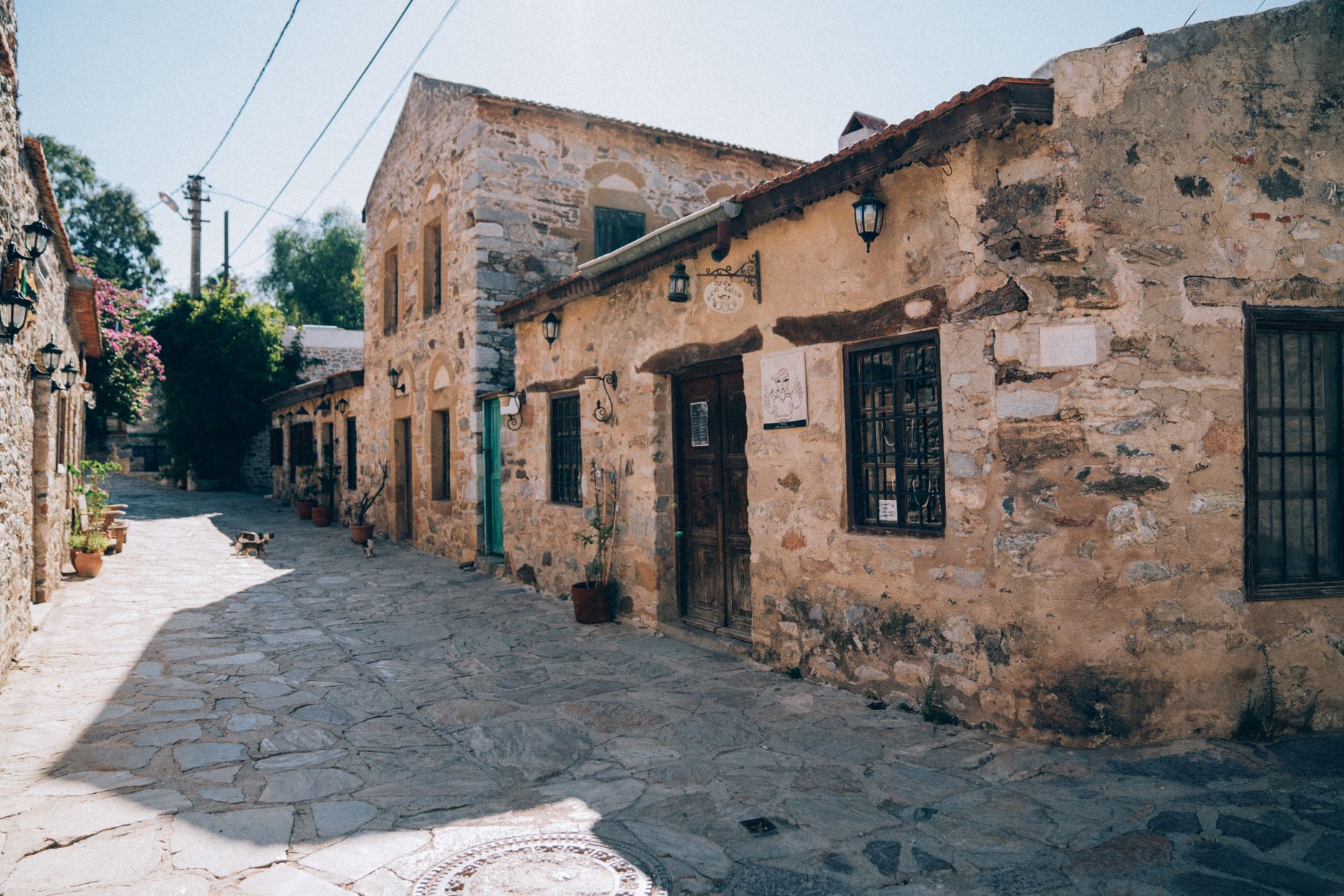
The heart of Cypriot culture lies in its picturesque villages, where many traditions remain intact. Villages like Lefkara, known for its intricate lacework, and Omodos, famous for its wine-making heritage, offer a glimpse into Cyprus's artisanal crafts and rural lifestyle.
Don’t miss the weekly farmers’ markets, where locals gather to sell fresh produce, handmade goods, and traditional sweets like loukoumia (Cypriot delights). For the best experience, arrive early to soak in the vibrant atmosphere and enjoy authentic Cypriot hospitality.
3. Festivals and Celebrations
Cypriots love to celebrate, and their calendar is packed with festivals that highlight their rich cultural heritage. One of the most famous is the Kataklysmos Festival (Festival of the Flood), celebrated in coastal towns like Larnaca. This unique event combines religious rituals with local entertainment, including folk dancing, music, and water-based games.
Another must-see is the Lemesos Wine Festival, held each September in Limassol. Here, you can sample local wines, enjoy traditional Cypriot food, and watch live performances. For a more immersive experience, try stomping grapes in giant barrels—a tradition that dates back centuries.
Find well-located villas for cultural exploration and be close to these lively festivals.
4. Religious Heritage and Iconic Sites
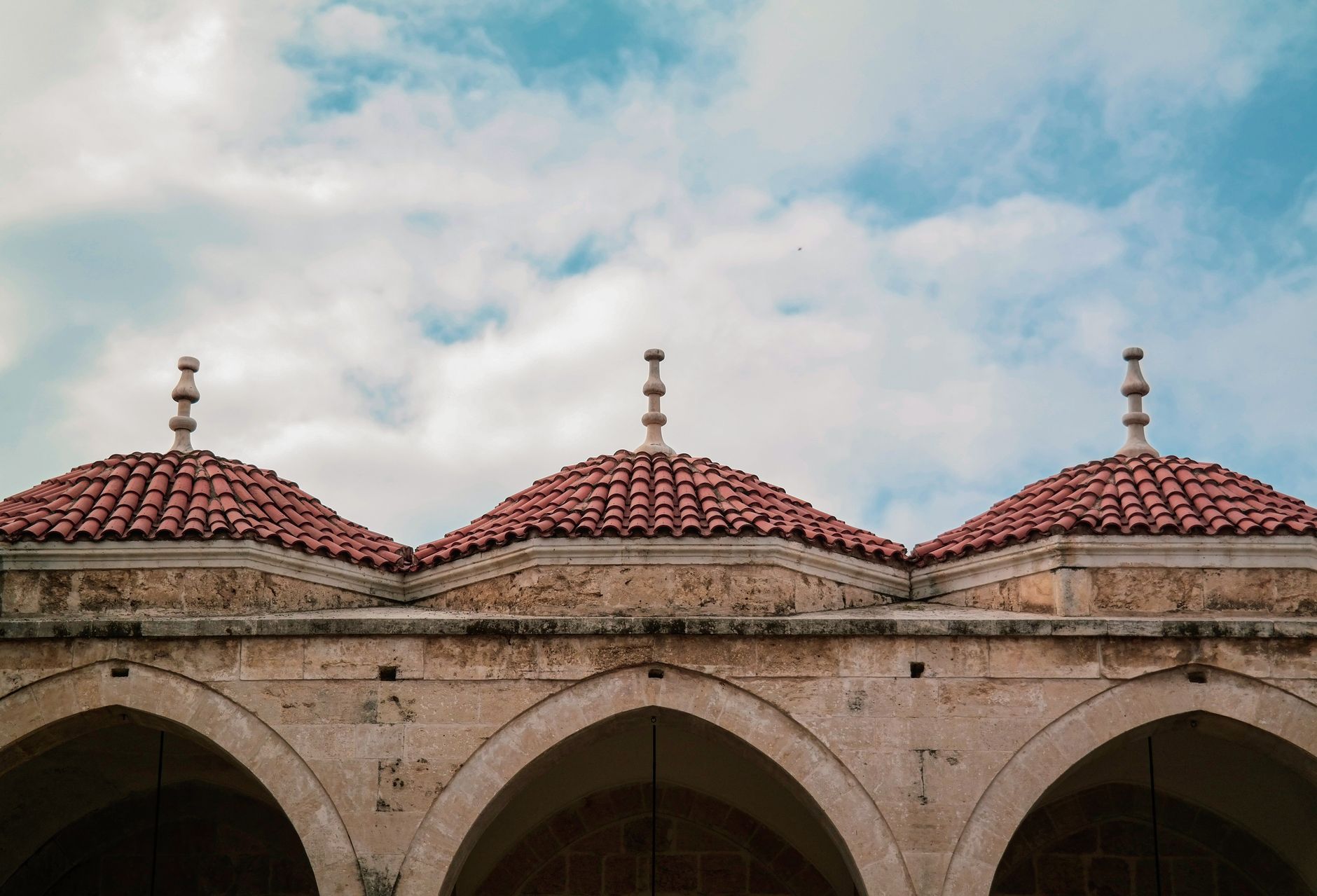
Cyprus has a rich religious history, with a mix of Orthodox Christianity, Islam, and other influences. Iconic landmarks like the Ayia Napa Monastery and the painted churches of the Troodos Mountains, a UNESCO World Heritage Site, offer stunning examples of Byzantine art and architecture.
Tip: Dress modestly when visiting monasteries and churches, as a sign of respect for local customs. Early mornings are usually less crowded, allowing you to take in the serene atmosphere.
5. Traditional Cypriot Music and Dance
Music and dance are at the heart of Cypriot culture. Traditional instruments like the laouto (lute) and violin set the tone for folk dances like the syrtos and zeibekiko. These performances often take place during weddings, festivals, and village celebrations.
For a truly authentic experience, look for tavernas that host live traditional music nights. Pair the melodies with a local meze platter for an unforgettable evening.
6. Culinary Traditions of Cyprus
No journey into Cypriot culture is complete without exploring its cuisine. Influenced by Greek, Turkish, and Middle Eastern flavors, the food in Cyprus is a feast for the senses. Must-try dishes include halloumi (grilled cheese), kleftiko (slow-cooked lamb), and souvla (large skewers of meat grilled over charcoal).
Visit a traditional kafenio (coffee shop) to try a cup of Cypriot coffee brewed in a copper pot and served with a piece of traditional almond-based glyko (sweet).
For a beachfront dining experience, consider staying in a beachfront villa in Cyprus, where you can savor local delicacies by the sea.
FAQs About Cyprus Folklore and Traditions
- What is the best time to explore cultural sites in Cyprus? Spring and autumn are ideal for cultural exploration, as the weather is pleasant, and many festivals take place during these seasons.
- Are there any etiquette tips for attending local festivals? Dress modestly, be respectful during religious ceremonies, and don’t hesitate to participate in dances or activities if invited.
- What are some unique souvenirs to bring back? Look for Lefkara lace, handmade ceramics, and locally produced olive oil or wine.
- Can I visit monasteries and churches without a guide? Yes, most are open to the public, but hiring a guide can provide deeper insights into their history and significance.
- What languages are spoken in Cyprus? Greek and Turkish are the official languages, but English is widely spoken, especially in tourist areas.
- Where can I see traditional Cypriot dances? Many festivals and traditional tavernas feature live performances of folk music and dance.
- Is it necessary to tip in Cyprus? Tipping is appreciated but not obligatory. A 10% tip in restaurants is standard for good service.
- How can I travel between villages? Renting a car is the most convenient way to explore Cyprus's villages and cultural sites.
Immerse yourself in the rich folklore and traditions of Cyprus by staying close to its cultural heart. Book your cultural Cyprus villa holiday and make your trip truly unforgettable.
Plan Your Perfect Cyprus Holiday
Explore our collection of holiday villas in Cyprus. Private pools, great locations, and everything you need for an unforgettable Cyprus stay.
Plan your Cyprus stay
Read our Cyprus area guide or browse our holiday villas in Cyprus.