Cape Greco Photography Guide: Best Angles and Golden Hour Times
Capture the best views of Cape Greco in Cyprus with our photography guide. Discover golden hour tips and must-visit Instagram-worthy spots!
Nestled between the lively towns of Protaras and Ayia Napa, Cape Greco in Cyprus is a dream destination for photography enthusiasts. Known for its rugged coastline, turquoise waters, and dramatic sea caves, this stunning national park offers endless opportunities to capture postcard-perfect shots. Whether you're staying in a villa in Protaras or exploring from Ayia Napa, this guide will help you find the best photography spots, angles, and times to shoot.
What Are the Must-Visit Photography Spots in Cape Greco?
Cape Greco is brimming with scenic locations that make it one of the top Instagram Cyprus hotspots. Here are some unmissable spots for your lens:
- Sea Caves: One of the most iconic Cyprus photo locations, the sea caves are perfect for dramatic coastal shots. Visit early in the morning for fewer crowds and softer lighting.
- Agioi Anargyroi Chapel: This whitewashed chapel perched on the cliffs offers a striking contrast to the blue Mediterranean waters. It’s especially stunning during golden hour.
- The Arch Rock: Known locally as “Kamara Tou Koraka,” this natural rock bridge is a must for unique angles.
- Konnos Bay: Located on the edge of Cape Greco, Konnos Bay features crystal-clear water and lush greenery, ideal for landscape and beach photography.
- Cape Greco Viewpoint: Trek to the top of the cliffs for panoramic views of the coast and the endless Mediterranean horizon.
For more inspiration, check out some breathtaking travel guides on the best scenery in Cyprus!
When Is the Best Time to Photograph Cape Greco?
Timing is everything when it comes to capturing the beauty of Cape Greco. Golden hour—the hour after sunrise and the hour before sunset—is the best time to shoot.
Golden Hour Tips
- Morning: Arrive just after sunrise to enjoy warm, diffused light and fewer visitors. This is ideal for shots of the sea caves and Agioi Anargyroi Chapel.
- Evening: The hour before sunset casts a magical glow over Cape Greco. Head to the viewpoint or Arch Rock for silhouette shots against the setting sun.
Check apps like Time and Date to find exact sunrise and sunset times for your visit.
How Do You Capture Stunning Instagram Shots?
Want your photos to stand out on Instagram? Follow these tips:
- Use Leading Lines: The natural curves of the coastline or steps leading to the Agioi Anargyroi Chapel can draw the viewer’s eye into your photo.
- Play with Reflections: After rain, shallow pools on the rocks can create captivating reflections of the cliffs and sky.
- Incorporate Local Elements: Add cultural context by including fishing boats, wildflowers, or Cypriot architecture in your shots.
- Experiment with Angles: For unique perspectives, shoot from a low angle near the sea caves or use a drone for aerial views of Konnos Bay.
Staying nearby? See beachfront villas with stunning photo backdrops to make your photography experience even more convenient.
What Gear Should You Bring?
To make the most of Cape Greco’s diverse landscapes, consider packing:
- Wide-Angle Lens: Ideal for capturing the expansive coastline and sea caves.
- Tripod: Essential for low-light shots during golden hour.
- Polarizing Filter: Reduces glare from the water and enhances the color of the sea.
- Drone: For breathtaking aerial views of the natural rock formations and turquoise waters.
Traveling light? Even a smartphone with a good camera can produce stunning results in the Mediterranean sunshine!
Are There Any Photography Tips for Beginners?
If you're just starting out, here are some beginner-friendly tips to elevate your Cape Greco photos:
- Golden Ratio: Use the rule of thirds to compose balanced and aesthetically pleasing shots.
- Natural Framing: Use the arches of the sea caves or tree branches at Konnos Bay to frame your subject.
- Be Patient: Wait for the perfect moment when the light, waves, or wildlife align for that magical shot.
For a relaxing base to practice your skills, find your picture-perfect Cyprus villa near Cape Greco.
FAQs
- What is Cape Greco known for? Cape Greco is famous for its stunning sea caves, natural rock formations, and breathtaking coastal views.
- Is Cape Greco good for Instagram photos? Absolutely! Its rugged beauty and vibrant colors make it one of the top photography spots in Protaras and Ayia Napa.
- How do I get to Cape Greco? Cape Greco is located between Protaras and Ayia Napa and is easily accessible by car or bike.
- When is the best time to visit Cape Greco? Early morning or late afternoon during golden hour is ideal for both photography and exploring.
- What should I bring to Cape Greco? A camera, tripod, water, sunscreen, and sturdy shoes for exploring rocky terrain.
- Can I swim at Cape Greco? Yes, Konnos Bay and nearby beaches offer safe swimming spots with crystal-clear waters.
Stay at the Most Photogenic Spots
Our Cyprus villas offer stunning sea views, pool backdrops, and proximity to Cyprus's most Instagrammable locations.
Additional advice: Photography Guide to Cape Greco: Best Spots and Golden Hour Times - Hidden Gems Edition
Cape Greco in Cyprus is a dream for photographers: wind-carved limestone cliffs, sapphire sea caves, wild juniper scrub, and trails that tumble toward translucent water. This headland, part of a protected national park Cyprus is proud of, offers an ever-changing canvas from sunrise blush to molten-gold sunset. Whether you’re shooting dramatic sea arches, starry skies, or shy rock pools, this Cape Greco hiking guide curates the best viewpoints, exact golden-hour windows, and local secrets that help you come home with keepers—not just snapshots.
Base yourself near the trails - villas in Cape Greco
Best Golden Hour Windows and Light Angles at Cape Greco
Light is everything here. The peninsula juts southeast, so sunrise kisses the eastern cliffs and sea arches, while sunset washes the western bays. The low coastal haze can act like a natural diffuser—great for skin tones and textures on rock.
- Sunrise (Blue Hour + First Light): Eastern viewpoints near the Sea Caves and Cape Greco Headland catch first light fast. Plan to arrive 30–45 minutes before published sunrise for a soft blue hour glow. In late spring to early autumn, heat shimmer appears quickly—shoot wide scenes first, details later.
- Golden Hour (Morning): Ideal for backlit spray around blowholes and arches. The Kamara tou Koraka area benefits from low-angle highlights along its limestone textures.
- Sunset (Golden to Blue Hour): Western-facing coves like Konnos Bay and trails above it give you warm sidelight across the headland. After the sun dips, stay for pastel skies and mirrorlike seas—perfect for long exposures.
- Seasonal note: Winter light is crisper and less hazy, excellent for telephoto compression of cliffs. Summer brings stronger sun and more dramatic contrasts—use grads or bracket exposures.
Check local sunrise/sunset times the week before you shoot, and remember the park’s pathways can be rocky; allow time to walk in safely in dim light. For official visitor information, walking and nature highlights, see the Visit Cyprus portal.
Kamara tou Koraka (Love Bridge/Natural Arch)
Arguably the star. The limestone arch perches above bright, clear water—best with side or backlight for edge definition.
- Best light: Early morning for rim-lit detail, or late afternoon when the sea glows teal.
- Lenses: 16–35mm for drama; 70–200mm to isolate the curve against the sea.
- Insider tip: Don’t step on or under the arch—erosion and safety concerns are real. Compose from the fenced viewpoints and nearby ledges for clean frames.
Cape Greco Sea Caves (Palatia)
A scalloped amphitheatre of cliffs with caverns that open directly to the sea—textures for days.
- Best light: Early morning sun filters into the caves; sunset silhouettes cliff lines.
- Technique: Polariser to control reflections and reveal water clarity; ND filters for silky swells.
- Framing: Use the cave arches as foreground frames looking out to open water.
Blue Lagoon and Crystal Water Pockets
Between the sea caves and Konnos you’ll find small coves locals dip into off the rocks. The water’s clarity is unreal.
- Best light: Mid-morning to early afternoon for peak turquoise (when the sun is high), then switch to golden hour for moody rock textures.
- Insider tip: A short climb down leads to flat rock shelves—great for tripod stability and low-angle reflections.
Konnos Bay Overlook
From the hiking trails above Konnos, you can layer pines, sand, and anchored boats in one sweeping composition.
- Best light: Sunset with pastel skies reflecting on calm water.
- Lens: 24–70mm for flexible framing; a drone can capture the sinuous shoreline—check local UAV rules first.
Cape Greco Lighthouse & Headland
The low, rugged cape with distant views toward Protaras and Ayia Napa. Strong leading lines along the paths make classic sunset foregrounds.
- Best light: Golden hour to blue hour; try starbursts at f/16 as the sun kisses the horizon.
- Insider tip: In winter, the Milky Way core isn’t visible, but the dark skies still suit star trails and moonlit seascapes.
Hidden Gems: Quiet Angles and Lesser-Known Spots
Cape Greco rewards those who wander off the headline stops (staying on marked trails). Here are subtle scenes that make your portfolio stand out.
The Juniper Ridge Path
Between the lighthouse and the sea caves, a subtle ridge trail runs through Phoenicean junipers and wild thyme. After rain, the scent is intoxicating and the greens pop.
- Shot idea: Use a low perspective to layer shrubs and limestone plates, with the sea as background bokeh.
- Best light: Early morning side light to sculpt plants; overcast days yield rich color without glare.
Rock Pools after Windy Days
On calm mornings following a windy spell, shallow pools collect on the flat shelves east of the sea caves.
- Shot idea: Mirror the sky in miniature—place the horizon high, rock texture front and center.
- Technique: Focus stack two or three frames for crisp foreground and background if shooting wide open.
Chapel of Agioi Anargyroi Clifftop
This whitewashed chapel sits above a staircase that descends to caves and platforms. It’s a lovely human element amid nature.
- Best light: Late afternoon when the chapel façade glows warm against cobalt water.
- Framing: Balance negative space with the chapel corner and the sea—clean, minimalist shots work beautifully here.
Scrubland Textures Near Ayioi Saranta
Not far inland, low karst and hardy scrub create a lunar feel. After a rare winter shower, tiny wildflowers pepper the scene.
- Shot idea: Telephoto compressions of repeating rock patterns; or abstract top-down drone captures (observe flight restrictions).
Find peaceful pool villas for post-hike relaxation
Route Ideas: Short Photo Walks and Half-Day Loops
These mini itineraries blend classic and hidden viewpoints for varied portfolios.
Sunrise Shortie: Sea Caves to Arch
- Start: Park near the Sea Caves viewpoint before first light.
- Shoot: Blue hour cave frames; move toward Kamara tou Koraka as the sun breaks.
- Finish: Detail shots of eroded limestone in soft morning shade.
Golden Hour Coastline Loop
- Start: Trails above Konnos for golden side light across the bay.
- Shoot: Overlook panoramas, then walk the path toward the lighthouse to catch the sun setting behind textured foregrounds.
- Finish: Blue hour long exposures near flat rock shelves.
Textural Midday Wander (Harsh Light Tactics)
- Focus: Abstracts: fissures, fossils, salt crystals, juniper boughs.
- Tools: Polariser, diffuser, and small reflector for macro work; embrace the shadows.
What to Pack: Photo Gear and Field Essentials
- Cameras & lenses: Wide (14–24/16–35mm) for caves and arches; standard zoom (24–70mm) for flexibility; telephoto (70–200mm) for cliff compressions; macro if you love textures.
- Filters: Circular polariser to cut glare and deepen color; 3–6 stop ND for seascapes; soft grad ND for skies at sunset.
- Support: Sturdy travel tripod with spiked feet for rock; remote or 2-sec timer; microfiber cloths (salt spray).
- Safety & comfort: Grippy footwear, hat, sunscreen, light windproof layer; plenty of water and a snack—shade is limited.
- Navigation: Offline map or GPS; headlamp for pre-dawn/after sunset exits.
- Drone: Check current regulations and avoid flying near crowds, chapels, and wildlife. Launch from clear areas only.
Respecting the Park: Safety, Access, and Etiquette
Cape Greco sits within a protected nature Cyprus zone. Keep it wild and safe—for you and for the landscape.
- Stay on marked trails: Limestone edges can undercut; avoid cliff lips and unstable shelves, especially in wind.
- No stepping on arches: Especially Kamara tou Koraka—erosion risk is high. Heed barriers and signage.
- Leave no trace: Pack out everything, including filters wrappers and fruit peels.
- Swim wisely: If you plan a dip near rock shelves, check for swell and currents first.
- Heat awareness: Summer can be intense by mid-morning. Start early or late and carry more water than you think you’ll need.
Getting There and Around: Practical Info for Photographers
By car: The easiest way to explore the national park Cyprus area is to drive. Signage points to Cape Greco from Ayia Napa and Protaras. Several dirt pull-offs serve the sea caves and headland—go slow and park considerately, leaving space for others to turn.
By foot/bike: Trails crisscross the peninsula, with waymarks for Cape Greco hiking routes. A mountain bike can cover more ground between golden-hour spots, but keep speed down near walkers.
Facilities: You’ll find occasional picnic sites and chapels; otherwise it’s raw nature. Restrooms and cafés are back in resort areas like Protaras and Ayia Napa.
Timing: For photo-friendly conditions and comfortable hikes, spring and autumn are ideal. Winter brings crisp light and sometimes dramatic seas; summer rewards with glassy mornings and starry nights—balance with early starts.
Suggested Base: Sleep Close, Shoot More
Being minutes from trailheads means you can catch both sunrise and sunset without long drives—and dip back for a midday edit session or swim. If you’re planning multiple days of outdoor activities around the headland, consider staying nearby.
- villa rentals in Cape Greco place you near sea caves and arches—perfect for first-light missions.
- For families mixing beach time and hikes, browse our family villas in the region for flexible layouts close to gentle coves.
- If you love a post-shoot dip, check our beachfront options near Konnos and beyond for easy access to coastal paths.
Explore more planning ideas and local insight on our blog and in-depth guides.
Backlit Seascapes
- Expose for highlights and lift shadows in post, or bracket and blend.
- Use sea spray as “glitter”—stop down slightly (f/8–f/11) to catch sparkles without harsh bokeh.
Long Exposures on Rock Shelves
- Check your tripod stance—avoid edges polished by waves; hang your bag for stability.
- Shoot series at 1–3 seconds for texture streaks, and 10–30 seconds for dreamy water.
Minimalist Chapel Shots
- Wait for a clear gap in visitors; use the stark white façade against deep blue for simple geometric frames.
- In wind, protect your lens from airborne salt with your body or lens hood.
Wildlife and Flora
- Spring brings orchids and butterflies—switch to a macro or 70–200mm and use a diffuser to soften midday sun.
- Keep distance from nesting birds on cliff faces; avoid drones near wildlife.
Where are the best places to photograph in Cape Greco?
Top spots include Kamara tou Koraka (natural arch), Cape Greco Sea Caves, Konnos Bay overlooks, the Cape Greco lighthouse headland, and the clifftop at Agioi Anargyroi chapel. For hidden gems, explore the juniper ridge paths and post-wind rock pools on the flat shelves.
When is golden hour in Cape Greco?
Golden hour occurs the hour after sunrise and the hour before sunset, shifting by season. Arrive 30–45 minutes early for blue hour. In summer, plan earlier starts due to heat and haze; in winter, expect crisper light.
Is Cape Greco good for hiking and photography combined?
Yes. Cape Greco hiking trails link all the major viewpoints, making it easy to blend outdoor activities with photo stops. Wear sturdy shoes, carry water, and allow time to move between locations in low light.
Can I fly a drone at Cape Greco?
Drone rules change. Always check current Cyprus UAV regulations, avoid crowds, chapels, and wildlife, and respect no-fly zones. Launch from open areas and keep line-of-sight at all times.
What camera gear should I bring?
A wide-angle and a standard zoom cover most scenes; add a telephoto for cliff detail. Bring a polariser, ND filters, sturdy tripod, and a headlamp for dawn/dusk exits. Pack spare batteries and microfiber cloths for salt spray.
Is it safe to shoot near the cliff edges and arches?
Stay behind barriers and on marked paths—limestone edges can undercut and crumble. Do not walk on or under the natural arch at Kamara tou Koraka. In wind or swell, keep extra distance from ledges and blowholes.
What’s the best season for photography at Cape Greco?
Spring and autumn offer mild temperatures and vibrant color. Winter provides crisp air and dramatic seas. Summer has rich turquoise water and calm mornings but requires early starts and sun protection.
How do I get to the main viewpoints?
Driving is most convenient, with pull-offs for the sea caves, arch, and headland. Trails connect the sights if you prefer to walk. There’s limited shade and minimal facilities—plan accordingly and bring water.
Plan Your Cape Greco Photo Escape
Pack your polariser, set your alarm for the blue hour, and give yourself time to wander. The best images here aren’t only the icons—they’re the quiet rock textures, the hush after sunset, and the surprise reflections tucked between shelves.
- Anchor yourself close to the action: browse Cape Greco villas for easy dawn-to-dusk shooting.
- Prefer winding down with a swim? See our curated pool villa collection for soothing post-hike soaks.
- Looking for something special by the shore? Explore seaside stays near the coastal paths to pair sunrise walks with coffee-on-the-terrace views.
Book your nature escape villa in Cyprus
Plan Your Perfect Cape Greco Holiday
Explore our collection of holiday villas in Cape Greco. Private pools, great locations, and everything you need for an unforgettable Cyprus stay.
Additional advice: Cape Greco Photography Guide: Best Angles & Golden Hour
Planning a villa holiday in Cyprus and hunting for the ultimate coastal shots? Cape Greco, tucked between Protaras and Ayia Napa on the sun-drenched Mediterranean, is one of the island’s most photogenic headlands. This Cape Greco Photography Guide covers the best angles, golden hour times, and pro tips so you can bring home gallery-worthy images from one of the top Cyprus photo locations.
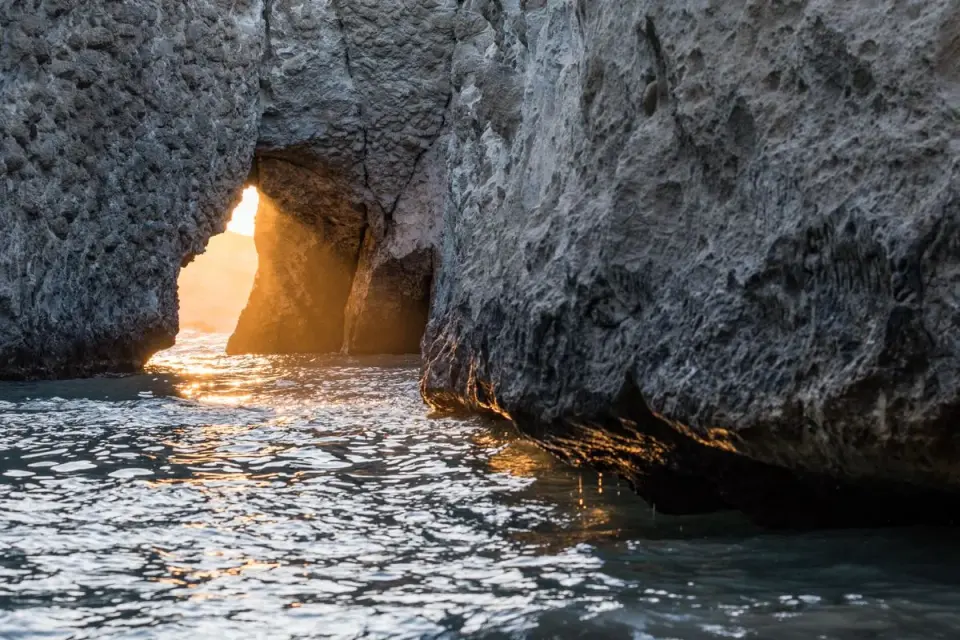
Stay near the best views - browse villas in Cape Greco
Why is Cape Greco a must-shoot location in Cyprus?
Cape Greco National Forest Park blends dramatic limestone cliffs, sea caves, pine scrub, and impossibly blue water. Its compact network of trails and viewpoints means you can capture multiple looks—cliff edges, arches, coves, and forest clearings—within a single golden hour. For travelers based in Protaras or Ayia Napa, it’s an easy sunrise or sunset dash, making it a staple in Instagram Cyprus itineraries.
- Varied landscapes in minutes: arches, sea caves, cliffs, and hidden bays.
- Consistent light: clear Mediterranean skies deliver long, warm golden hours much of the year.
- Accessible viewpoints: short walks from roadside pull-offs and marked trails.
When is golden hour at Cape Greco—and how does it change by season?
Golden hour in Cyprus varies by season, but you can expect roughly 45–90 minutes of warm light after sunrise and before sunset. In summer, sunrise is early and sunsets are late; in winter, both are gentler and lower, ideal for even cliff lighting.
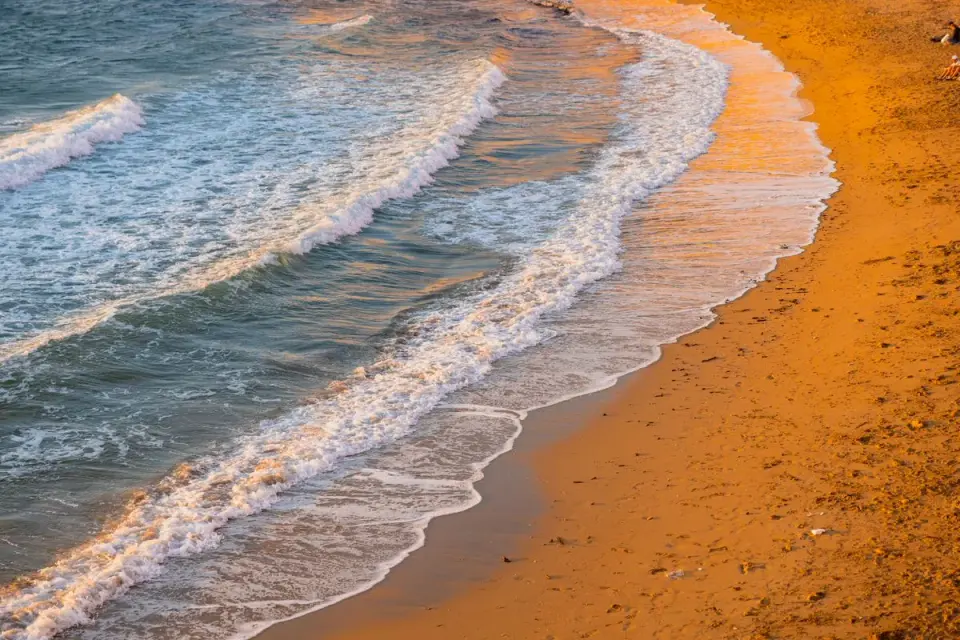
- Late spring to early autumn (May–September): earlier sunrises, later sunsets; heat haze by midday, so aim for dawn/dusk.
- Autumn to spring (October–April): softer, lower sun for longer; great for texture on cliffs and waves.
Pro tip: Arrive 30–45 minutes before golden hour to scout compositions and test exposures. Even five minutes can change how the sun hits the sea caves and arches.
1) Sea Caves of Cape Greco (Protaras side)
Angle: Shoot wide from the cliff rim to capture the honeycomb caves with the horizon line placed in the top third. For an immersive angle, step back and frame a person on the ledge for scale. Use a circular polarizer to cut glare and deepen the turquoise tones.
Light: Early morning for soft side light; late afternoon for warm cliff glow. Winds can bring texture to the water for dynamic wave patterns.
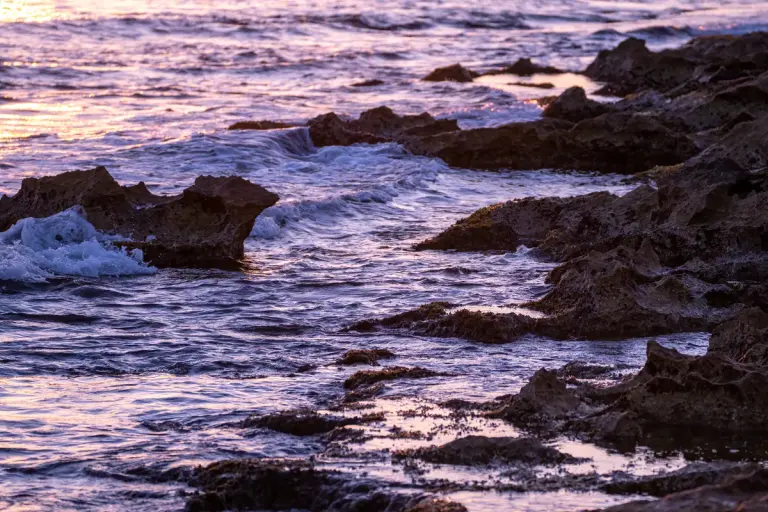
2) Love Bridge (Monachus Monachus Arch)
Angle: Position yourself diagonally to the natural arch so it spans the frame from bottom-left to mid-right. Try a low angle for leading lines and include the far headland for depth. A 24–35mm focal length works well.
Light: Best at sunrise for gentle backlight or at sunset for rim-lit edges. Blue hour also works for a minimalist silhouette shot.
3) Konnos Bay Overlook
Angle: From the hillside above Konnos Bay, frame the bay’s crescent curve with boats as scale points. Shoot from higher ground to highlight water gradients. Great for Instagram Cyprus carousels that reveal close-ups after a hero wide shot.
Light: Morning light illuminates the bay; afternoon brings richer color but more contrast. Polarizer recommended.
4) Cape Greco Viewpoint and White Chapel
Angle: Use the petite white chapel and bell as a foreground anchor with the cliffline beyond. A symmetrical shot with leading steps or path works well. Switch to portrait orientation for Stories.
Light: Sunset paints the chapel with warm tones and creates long, graphic shadows.
5) Blue Lagoon Lookouts
Angle: Look for high vantages where shrubs frame the lagoon as a natural vignette. Shoot top-down abstracts of swimmers and rocks for minimalist compositions.
Light: Mid-morning to early afternoon for neon blues; golden hour for mood and texture.
How to plan your Cape Greco shoot: routes, timing, and logistics
- Base yourself nearby: Staying in villas in Protaras or holiday homes in Ayia Napa puts you within a short drive of the park for spontaneous golden hour runs.
- Route pairing: Sunrise at the Sea Caves, mid-morning at Konnos Bay, sunset at Love Bridge or the chapel viewpoint. This sequence lets you chase light logically.
- Parking and access: There are informal pull-offs near major viewpoints; follow marked trails and keep a safe distance from cliff edges, especially during windy days.
- Footwear: Wear grippy shoes; limestone can be smooth or crumbly.
- Seasonal notes: Summer heat rises quickly; carry water and plan shaded breaks midday.
See beachfront villas with stunning photo backdrops
Camera settings and gear: what works best for Cape Greco?
- Lenses: 16–35mm for sweeping cliffs; 24–70mm for flexible storytelling; 70–200mm to compress sea stacks and isolate boats.
- Filters: Circular polarizer to manage glare and deepen water tones; a 3-stop ND for silky water during golden hour; graduated ND if you want balanced skies.
- Tripod: Useful for blue hour scenes and bracketed exposures of high-contrast cliffs.
- Drone: If flying legally and safely, a drone can reveal the circular sea caves and arch geometry. Always respect local rules and no-fly zones.
- Exposure tips: Expose for highlights at sunrise/sunset to retain sky color, then lift shadows in post. For waves, try 1/4s–1s for blur or 1/1000s to freeze splash.
How to compose for impact: cliffs, arches, and Mediterranean color
- Foreground interest: Use limestone textures, wild thyme, or chapel details to anchor wide scenes.
- Leading lines: Curves of the coastline guide the eye—place them from lower third toward your subject.
- Rule of thirds with horizon: For seascapes, keep the horizon straight and position it high when the water is the hero or low when the sky steals the show.
- Color contrast: Complementary tones—white chapel, sand-colored cliffs, azure sea—pop on camera without heavy editing.
- Human scale: A person standing safely back from edges adds drama and a relatable sense of place.
Golden hour times: practical examples you can use
While exact times shift daily, use this practical rhythm:
- Sunrise session: Arrive 45 minutes before sunrise at the Sea Caves. Scout a cliff-top angle, shoot civil twilight silhouettes, then pivot to side-lit cave textures.
- Late afternoon: Head toward Konnos Bay for backlit water sparkles. Shoot details—boats, swimmers, rocks—for story variety.
- Sunset: Set up at Love Bridge 60 minutes before sunset. Start with wider environmental frames, then switch to tight crops as the sun nears the horizon. Stay for blue hour for moody arch silhouettes and car light trails on nearby roads.
Tip: Use a sun-position app to track where the sun sets relative to arches and coves; this helps decide whether to shoot front-lit or backlit compositions on a given day.
Insider local tips for photography around Protaras and Ayia Napa
- Weekday advantage: Popular lookouts are quieter outside weekends—ideal for long exposures without foot traffic.
- Wind and waves: On breezy days, try higher shutter speeds from cliff edges; on calmer days, convert scenes to abstracts with ND filters.
- Reflections: After small swells, shallow rock pools near the caves can mirror clouds at sunset—great for symmetry shots.
- Food breaks: Pack light snacks or plan a post-shoot meal at local tavernas in Protaras for classic Cyprus meze—perfect for a quick energy top-up between shoots.
How to keep your shoot safe and sustainable
- Stay back from edges: Limestone can undercut; keep a conservative distance when composing.
- No drones near people/wildlife: Maintain line-of-sight, respect privacy, and follow posted guidance.
- Pack it in, pack it out: Leave no trace—carry water in reusable bottles and take litter with you.
- Respect chapels and cultural sites: Dress and behave appropriately when photographing religious sites.
Where to stay for easy access to Cape Greco views
Base yourself in Protaras for a relaxed beach vibe close to Konnos Bay and the Sea Caves, or choose Ayia Napa for lively evenings and quick drives to Love Bridge and the chapel viewpoint. LA MER Homes offers thoughtfully located villas with easy access to sunrise and sunset spots, so you can maximize golden hour and minimize transit. If you want a private plunge after your shoot, consider private pool villas, or upgrade your backdrop with luxury villas that pair stylish design with sea views.
Editing approach: keep it natural, let Cyprus do the talking
- White balance: Preserve the warm golds of sunrise/sunset; avoid pushing blues too far.
- Contrast and clarity: Add gentle contrast to carve cliff texture without crushing shadows.
- HSL tweaks: Nudge aquas and blues slightly for depth; hold saturation modest to keep a timeless look.
- Spot removal: Clean sensor dust before exporting; it shows up against big skies.
Itinerary idea: 24 hours of Cape Greco photography
- Sunrise: Sea Caves wide shots, then portraits with the rising sun for rim light.
- Mid-morning: Konnos Bay abstracts from above; boat details; swim break.
- Afternoon: Rest at your villa; review and cull images; charge batteries.
- Golden hour: Love Bridge for sunstar shots at f/16; switch to silhouettes as the sun dips.
- Blue hour: Chapel and coastline with tripod; bracket exposures for clean shadows.
Ready to capture the best views Cyprus offers? Anchor your trip near the action with LA MER Homes and blend beach time, golden hours, and cliff adventures.
Find your picture-perfect Cyprus villa
Is Cape Greco better at sunrise or sunset?
Both work. Sunrise offers softer light and fewer crowds; sunset delivers warm cliff glow and silhouettes at Love Bridge.
What lens is best for Cape Greco seascapes?
A 16–35mm for sweeping vistas, plus a 70–200mm to compress arches and distant headlands.
Can I shoot Cape Greco with a smartphone?
Yes. Use the ultra-wide for cliffs, enable HDR, and tap-to-expose on the sky during golden hour.
Where should I stay for easy access?
Choose Protaras or Ayia Napa. You’ll be minutes from top photography spots and beaches.
Are drones allowed at Cape Greco?
Follow Cyprus regulations and local signage. Keep distance from people, wildlife, and restricted areas.
What time is golden hour in summer?
Expect early sunrises and late sunsets. Arrive 30–45 minutes before to set up and scout angles.
Any quick composition tip?
Include a foreground like limestone or shrubs to add depth and lead the viewer into the seascape.
Additional advice: Photography Guide to Cape Greco: Best Spots and Golden Hour Times
Located on the southeastern coast of Cyprus, Cape Greco is a breathtaking destination for photographers, nature lovers, and outdoor enthusiasts. This protected national park offers rugged cliffs, turquoise waters, and panoramic views that are perfect for capturing stunning shots. Whether you're a seasoned photographer or just love snapping Instagram-worthy pictures, Cape Greco’s unique landscapes and ideal lighting conditions make it a must-visit. To fully immerse yourself in this experience, base yourself near the trails by browsing villas in Cape Greco.
1. Sea Caves
The Sea Caves, also known as the Ayia Napa Caves, are one of Cape Greco's most iconic photography locations. Jagged cliffs frame these natural formations, where crystal-clear waves crash dramatically into the caves, creating a dynamic shot. For the best composition, position yourself at the cliff's edge to capture the caves, sea, and horizon in a single frame.
Insider Tip: Arrive early or during sunset to avoid the crowds and achieve soft, golden light.
2. Lovers’ Bridge
This natural rock arch is a favorite among both photographers and romantics. Known locally as "Kamara tou Koraka," Lovers’ Bridge forms a perfect arch over the dazzling blue sea. It’s especially magical during the golden hour when the arch glows with warm tones against the azure backdrop.
Photography Tip: For a dramatic angle, shoot from the shoreline below and frame the arch with the rising sun or setting sun in the background.
3. Cape Greco Viewpoint
The viewpoint at Cape Greco offers unparalleled panoramic vistas of the Mediterranean. It’s the perfect spot for wide-angle landscape shots that showcase the untouched beauty of this national park in Cyprus. On clear days, you can even see the coastlines of nearby towns.
Pro Tip: Use a polarizing filter to enhance the vibrant hues of the sky and sea.
4. The Blue Lagoon
One of the most stunning natural features in Cape Greco is the Blue Lagoon. The water here is an otherworldly shade of turquoise, contrasting beautifully with the rocky shoreline. Whether you're photographing it from a clifftop or capturing the reflections from a boat, the lagoon is a dream for photographers.
Best Time to Visit: Mid-morning for minimal shadows or sunset for a golden glow.
Golden Hour Times in Cape Greco
The golden hour is every photographer’s best friend, offering soft, diffused light that enhances color and detail. Knowing when to catch the golden hour in Cape Greco is key to capturing breathtaking shots. Here are the approximate times:
- Sunrise: Between 5:30 AM and 6:30 AM (seasonal variations apply)
- Sunset: Between 6:00 PM and 8:00 PM depending on the time of year
For sunrise shots, the Sea Caves and Cape Greco Viewpoint are ideal. For sunset, Lovers’ Bridge is unbeatable for its romantic glow. After a long day of exploring, unwind by choosing from peaceful pool villas for post-hike relaxation.
1. Bring the Right Gear
- A wide-angle lens for landscapes
- A tripod for long exposures during sunrise or sunset
- Polarizing filters to reduce glare and enhance colors
- Waterproof gear if you’re shooting near the sea
2. Wear Comfortable Clothing
Cape Greco’s rugged terrain requires sturdy shoes and breathable clothing. Always pack sunscreen and a hat, especially during summer months, and bring plenty of water while hiking to your preferred photo spots.
3. Respect Nature
While capturing the perfect shot, remember that Cape Greco is a protected area. Don’t venture off designated trails, and never disturb wildlife or plants. Leave no trace behind.
How to Get to Cape Greco
Cape Greco is easily accessible by car from nearby towns like Ayia Napa and Protaras. Parking is available near most major trails and landmarks, making it convenient to explore the area. If you’re staying nearby, many villa rentals in Cape Greco are just a short drive from these photo-worthy spots.
Public Transport: If you’re relying on buses, note that routes can be infrequent. Renting a car is the most reliable option for exploring Cape Greco at your own pace.
What is the best time to visit Cape Greco for photography?
Spring and autumn are ideal for comfortable weather and fewer crowds. Golden hour—early morning or late afternoon—is perfect for soft, warm lighting.
Are drones allowed in Cape Greco?
Drones are permitted, but always check local regulations, avoid flying near crowds, and respect wildlife.
Do I need hiking experience to access the photography spots?
Not necessarily. Many locations, like the Sea Caves and Lovers’ Bridge, are accessible via short walks. Wear sturdy shoes for uneven terrain.
Are there guided photography tours in Cape Greco?
Yes, local tour companies offer guided nature and photography tours, which can be a great way to explore hidden spots.
Is Cape Greco family-friendly for hikes and photography?
Absolutely! The trails are manageable for families, and kids will love exploring the caves and natural formations. Consider staying at family-friendly villas nearby.
Can I swim near the Blue Lagoon or Sea Caves?
Yes, both are popular swimming spots. Bring snorkel gear for underwater photography opportunities!
What should I bring for a day of photography in Cape Greco?
Bring water, snacks, sunscreen, your camera gear, and a map of the trails.
Are there places to eat near Cape Greco?
Nearby towns like Ayia Napa and Protaras offer plenty of restaurants and cafes, perfect for a post-hike meal.
Whether you're chasing light at sunrise or capturing dramatic seascapes, Cape Greco is a photographer’s paradise. Plan your stay to fully enjoy the area—book your nature escape villa in Cyprus today!
Additional advice: Photography Guide to Cape Greco: Best Spots and Times
Why Cape Greco is a Photographer's Paradise
Situated on the southeastern coast of Cyprus, Cape Greco is a stunning national park that marries rugged cliffs, turquoise waters, and lush flora. Popular among hikers and nature lovers, Cape Greco offers countless opportunities for breathtaking photography, whether you're capturing dramatic landscapes or serene seascapes. Known for its tranquil atmosphere and diverse scenery, this gem is a must-visit location for outdoor activities.
The Cape Greco sea caves are a photographer’s dream. These naturally formed structures showcase intricate rock formations, crystal-clear waters, and vibrant marine life. At sunrise, the caves are bathed in soft, golden light, providing the perfect conditions for capturing magical shots.
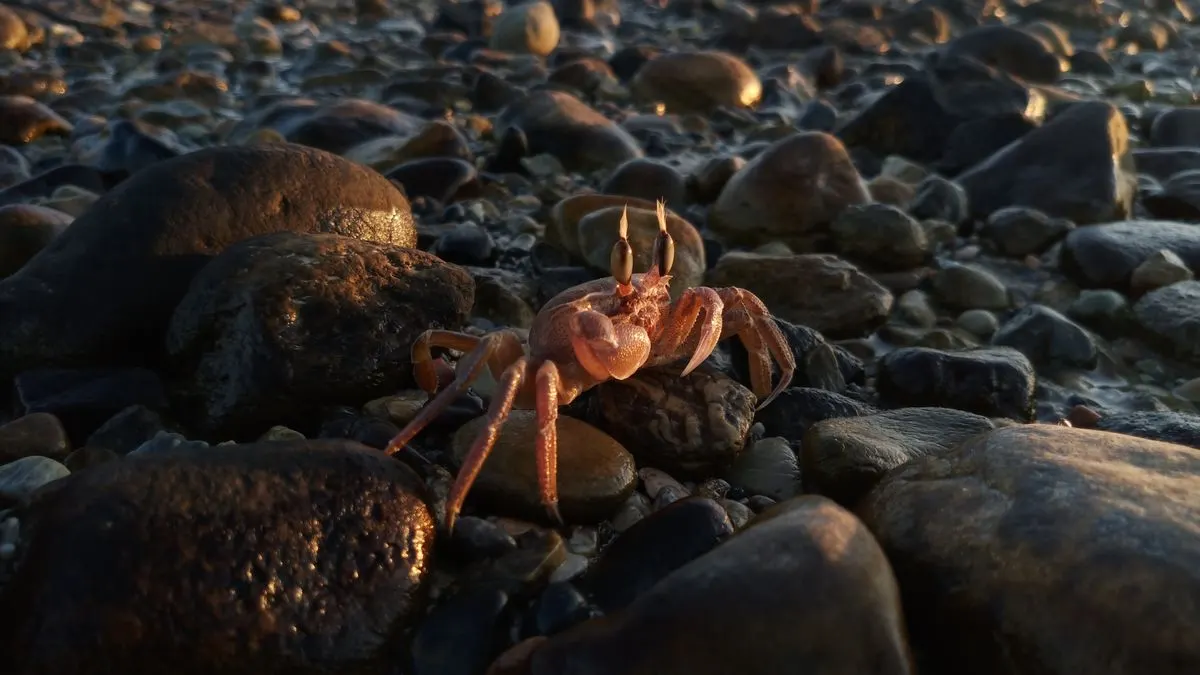
Location: Cape Greco National Forest Park, 5km east of Ayia Napa.
Cost: Free to access.
Tip: Bring sturdy shoes for navigating rocks, and arrive before 7:00 AM for the best lighting.
2. Love Bridge
Love Bridge is a natural arch that extends over the sea, creating a unique photographic opportunity. It’s particularly stunning at sunset, when the sky turns shades of orange and pink, reflecting off the water below.
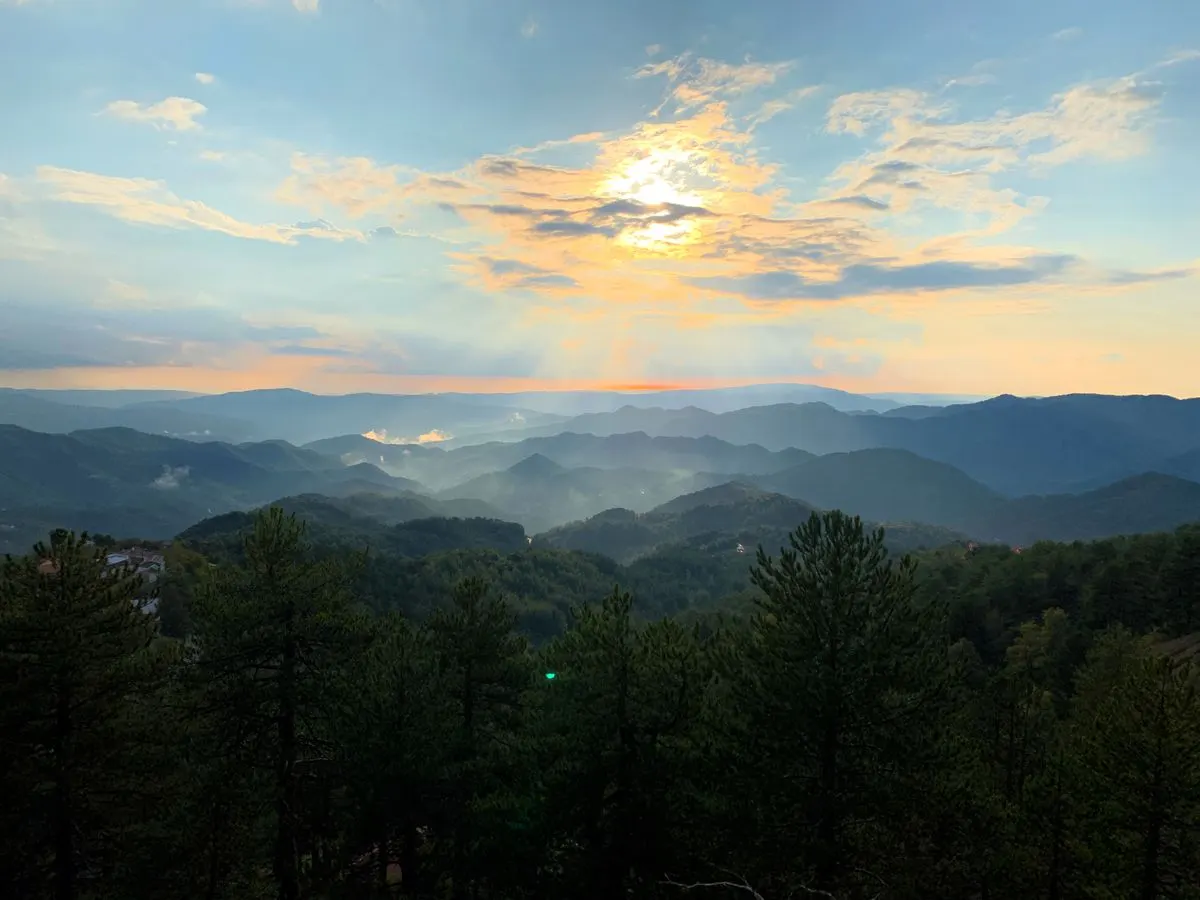
Location: Near the entrance of Cape Greco National Park.
Cost: Free.
Tip: Use a wide-angle lens to capture the bridge and surrounding scenery.
3. Ayioi Anargyroi Chapel
This picturesque white-and-blue chapel sits atop a cliff overlooking the sea. Its simplicity contrasts beautifully with the dramatic natural backdrop. Early morning light adds a soft glow to the chapel, while late afternoon shadows provide depth for architectural shots.
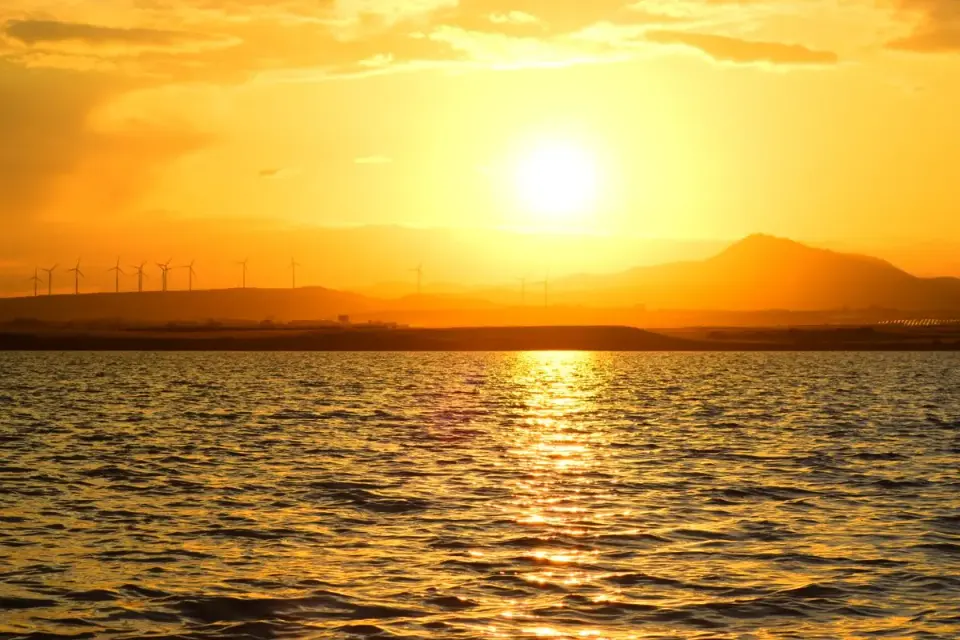
Location: Cape Greco National Park.
Cost: Free.
Tip: Use the nearby staircase leading down to the sea for additional perspective shots.
4. The Viewpoint at Cape Greco Summit
For panoramic views, hike to the summit of Cape Greco. From here, you can capture sweeping vistas of the Mediterranean coastline and rugged cliffs. This spot is ideal for landscape photography, especially during the golden hour.
Location: Accessible via the hiking trails in the National Park.
Cost: Free.
Tip: Pack water and wear comfortable hiking shoes for the uphill climb.
Best Times to Visit Cape Greco for Photography
Timing is key for photography in Cape Greco. The park is open year-round and does not have fixed opening hours, as entry is free and unrestricted. However, the light conditions and tourist traffic vary throughout the day and season.
- Sunrise: Ideal for calm, soft lighting. Fewer visitors make this the perfect time for serene shots.
- Golden Hour: The hour before sunset offers the most dramatic lighting, great for capturing the vibrant colors of the cliffs and sea.
- Spring (March-May): Wildflowers bloom across the park, providing additional pops of color.
- Autumn (September-November): Cooler temperatures make hiking and photography more comfortable.
What to Bring for a Photography Day at Cape Greco
To make the most of your day at Cape Greco, preparation is crucial. Here’s a list of essentials:
- Camera gear: A DSLR or mirrorless camera, wide-angle lens, and tripod for steady shots.
- Water: Stay hydrated, especially when hiking.
- Sunscreen and hat: Protect yourself from the Cyprus sun.
- Comfortable shoes: Essential for navigating rocky terrain.
- Snacks: There are limited food options near the park.
- Backup batteries: You don’t want your camera dying mid-shoot.
Cape Greco is easily accessible from nearby towns like Ayia Napa and Protaras. The park is approximately 8km from Ayia Napa and 6km from Protaras. Here are your transportation options:
- By car: The most convenient option. Parking is free and available near major spots.
- By bus: Regular buses run from Ayia Napa and Protaras to Cape Greco. Check local schedules for details.
- By bike: Rent a bike for an eco-friendly way to explore the area.
If you’re staying in a luxury villa nearby, such as one from LA MER Homes, you’ll find it easy to plan day trips to Cape Greco.
Where to Stay Nearby
To fully enjoy Cape Greco and its surroundings, consider booking a villa in Ayia Napa or Protaras. Luxury accommodations offered by LA MER Homes provide easy access to the park while ensuring you relax in comfort after a day of exploration.
Next Steps for Your Photography Adventure
Now that you know the best spots and practical tips for capturing Cape Greco’s beauty, it’s time to start planning. Here’s what you can do next:
- Book your accommodation near Cape Greco through LA MER Homes.
- Plan your itinerary, including hiking trails and sunrise/sunset visits.
- Gather your photography gear and essentials for the trip.
- Check transportation options and local schedules to ensure smooth travel.
Cape Greco is more than just a destination; it’s a visual story waiting to be told. From the dramatic sea caves to the serene chapel, every corner of this national park offers something unique for photographers and nature lovers alike.
Plan Your Perfect Cyprus Stay
Explore our handpicked selection of luxury villas near the best attractions in Cyprus. Your ideal Mediterranean vacation starts here.
Additional advice: Cape Greco Photography Guide: Angles, Timing and Access
Located just a short drive from Protaras, Cape Greco is one of the most iconic photography spots in Cyprus. Famous for its dramatic sea caves, crystal-clear waters, and golden sunsets, this protected natural park offers endless opportunities for capturing stunning images. Whether you’re an avid Instagrammer or a professional photographer, Cape Greco will inspire you with its raw beauty and unique landscapes. Let’s dive into the best ways to plan your photography trip to this unforgettable location.
Stay near the best views - villas in Protaras.
Why Cape Greco is a Must-Visit Photography Spot in Cyprus
Cape Greco, situated between Protaras and Ayia Napa, is part of the Natura 2000 network, which protects its rich natural beauty. Photographers are drawn here for its rugged limestone cliffs, vivid turquoise waters, and lush vegetation. The area is also home to some of the best views in Cyprus—perfect for sunrise, sunset, and everything in between.
From the famous Love Bridge to the iconic sea caves, Cape Greco is a treasure trove of photo opportunities. Add to that its easy accessibility from Protaras, and you’ve got a picture-perfect day out.
1. The Sea Caves
The Cape Greco Sea Caves are one of the most photographed locations in Cyprus. These natural formations create dramatic arches and frames, perfect for capturing the contrast between the rocky cliffs and azure waters.
Photography Tips: Visit in the early morning for soft light and fewer crowds. Use the rock formations to frame your shots and experiment with long exposures for dreamy water effects.
For a romantic and whimsical photo, head to the Love Bridge. This narrow natural rock arch stretches into the sea, creating a stunning backdrop for couples, families, or solo travelers. It’s one of the most Instagrammed spots in Protaras.
Insider Tip: The golden hour during sunset adds a magical glow to your photos. Make sure to step back and capture the bridge from different angles to highlight its curvature.
This charming white-and-blue chapel sits atop a cliff overlooking the Mediterranean. Its simplicity and iconic colors make it a great subject for minimalist photography. A staircase next to the chapel leads you down to hidden sea caves below.
Pro Tip: Capture the chapel with the endless ocean as your backdrop for a shot that screams “Cyprus”. Early mornings are best for photos without tourists.
4. Cape Greco National Forest Park Trails
If you’re into landscape photography, the network of trails in Cape Greco National Forest Park offers sweeping views of the coastline. The trails wind through wildflowers and pine trees, creating a vibrant palette for nature shots.
5. Konnos Bay
Situated near Cape Greco, Konnos Bay is a tranquil beach known for its golden sands and shimmering waters. This sheltered bay is ideal for drone photography, offering aerial views of boats moored in the cove surrounded by lush cliffs.
Combine your visit here with a stay in a beachfront villa with stunning backdrops for the ultimate seaside escape.
Best Times to Photograph Cape Greco
The lighting at Cape Greco changes throughout the day, offering unique opportunities for photographers. Here’s a quick guide:
- Sunrise: Ideal for capturing tranquil, pastel-colored skies and avoiding crowds. Head to the Sea Caves or Ayioi Anargyroi Chapel for the best angles.
- Midday: Perfect for underwater shots and vibrant water tones, especially at Konnos Bay or Love Bridge.
- Golden Hour: The hour before sunset transforms Cape Greco into a golden wonderland. The Sea Caves and Love Bridge are particularly breathtaking at this time.
- Blue Hour: After the sun sets, the soft twilight creates a moody, ethereal atmosphere. Bring a tripod for long exposure shots.
Cape Greco is located roughly 10 minutes by car from Protaras and 15 minutes from Ayia Napa. You can reach it easily by renting a car or taking a taxi. The area also has well-marked hiking and cycling trails if you prefer to explore on foot or bike.
Parking: Free parking is available near major landmarks like the Sea Caves or Ayioi Anargyroi Chapel. Arrive early during peak seasons to secure a spot.
For more on exploring Cyprus, check out our comprehensive travel guides.
What to Bring for Your Photography Trip
- Camera and Lenses: A wide-angle lens is essential for capturing Cape Greco’s vast landscapes. Bring a zoom lens for close-ups of the cliffs and detailed shots of the sea caves.
- Tripod: Perfect for sunrise or sunset shots, as well as long exposures.
- Drone: If you have one, Cape Greco’s aerial views are unbeatable—but check local regulations before flying.
- Sun Protection: Bring sunscreen, a hat, and water, especially if you’re visiting midday.
- Comfortable Shoes: Many of the best photo spots require some walking on uneven terrain.
1. Is Cape Greco free to visit?
Yes, there’s no entrance fee to explore Cape Greco or any of its natural landmarks.
2. What’s the best time of year for photography in Cape Greco?
Spring (March–May) and autumn (September–November) offer pleasant weather and fewer crowds, making them ideal for photography.
3. Can I swim at Cape Greco?
While the Sea Caves are not suitable for swimming due to rough waters, nearby Konnos Bay is an excellent spot for a dip.
4. Are there restaurants or cafes nearby?
There are limited options in Cape Greco itself, but Protaras and Ayia Napa, just a short drive away, offer plenty of dining choices.
5. Should I hire a guide to explore Cape Greco?
A guide isn’t necessary as the area is well-marked, but a local expert can offer insight into hidden spots and history.
6. Can I take photos of wildlife at Cape Greco?
Yes, Cape Greco is home to various bird species, lizards, and wildflowers—perfect for nature photography enthusiasts.
Conclusion
Cape Greco is undoubtedly one of the best photography spots in Cyprus, offering a mix of dramatic landscapes, serene beaches, and cultural landmarks. With a bit of planning and the right timing, you’ll create memories—and photos—that will last a lifetime. For the ultimate experience, consider staying nearby in one of our luxury villas.
Book your picture-perfect Cyprus villa.
Plan Your Perfect Protaras Holiday
Explore our collection of holiday villas in Protaras. Private pools, great locations, and everything you need for an unforgettable Cyprus stay.
Additional advice: Cape Greco Photography Guide: Best Angles and Golden Hour Tips
Nestled between Protaras and Ayia Napa, Cape Greco is one of Cyprus’s most breathtaking locations. Known for its dramatic cliffs, crystal-clear waters, and secret sea caves, this Mediterranean gem is a paradise for photographers. Whether you’re an amateur with a smartphone or a seasoned professional, Cape Greco offers an array of Instagram-worthy photo opportunities. Let’s explore the best photography spots, angles, and the ideal times to capture the golden hour magic.
What Makes Cape Greco a Photography Haven?
Cape Greco’s diverse landscape makes it a dream for photographers. From rugged limestone cliffs to hidden coves and the iconic Lovers Bridge, every corner offers something unique. The area’s natural beauty combined with its Mediterranean charm creates a stunning backdrop for travel photos. Whether you’re capturing sunrise over the turquoise waters or the warm hues of sunset against the cliffs, Cape Greco never fails to deliver.
If you’re staying in villas in Protaras or holiday homes near Ayia Napa, this spot is just a short drive away, making it a must-visit destination for photography enthusiasts.
Where Are the Best Photography Spots in Cape Greco?
- Lovers Bridge: This natural rock arch is one of the most photographed spots in Cyprus. Its unique formation and surrounding crystal waters make it perfect for romantic and landscape shots.
- Sea Caves: The sea caves are a favorite for adventurous photographers. Their rugged textures and reflections during sunrise or sunset create striking compositions.
- Ayioi Anargyroi Church: This charming white-and-blue chapel perched on a cliff is a beautiful focal point for wide landscape shots. It’s a quintessential Mediterranean scene that looks stunning at any time of day.
- The Cliff Edges: For panoramic views of the Mediterranean, head to the cliff edges near the Cape Greco National Forest Park. During the golden hour, the light creates magical contrasts on the water and rocks.
The golden hour is the best time to shoot at Cape Greco. This is the hour after sunrise and the hour before sunset when the light is soft, warm, and perfect for photography. The exact timing depends on the season, but here’s a general guide:
- Sunrise Golden Hour: Between 5:30 AM and 7:00 AM in summer; 6:30 AM to 8:00 AM in winter.
- Sunset Golden Hour: Between 6:30 PM and 8:00 PM in summer; 4:30 PM to 6:00 PM in winter.
For those staying in holiday homes in Ayia Napa or nearby areas, an early morning trip ensures fewer crowds and optimal lighting.
How Can You Get the Perfect Shot?
Here are some practical tips to elevate your photography game at Cape Greco:
- Use a Tripod: Especially during sunrise or sunset, a tripod helps capture sharp images in low light.
- Bring a Polarizing Filter: This reduces reflections on the water and enhances the vibrant blues of the Mediterranean.
- Experiment with Angles: Try shooting from low angles at the sea caves to emphasize their height or use a drone for aerial views of the cliffs.
- Incorporate People: Adding a person to the frame can provide scale and make your photos more engaging.
- Timing Matters: Arrive 30 minutes early to find the best spots and compose your shots before the golden hour begins.
Are There Any Hidden Gems in Cape Greco?
Absolutely! Beyond the popular spots, here are some lesser-known gems:
- Secret Beach Coves: If you explore the trails, you’ll find secluded beaches that are perfect for tranquil shots.
- The Blue Lagoon: Accessible by boat or hiking, the Blue Lagoon is a stunning spot for underwater and wide-angle shots.
- Nature Trails: The paths in Cape Greco National Forest Park offer unique perspectives of the cliffs and ocean.
These hidden spots are ideal for those looking to capture something truly unique. Plus, they’re often less crowded than the main attractions.
What Other Photography Spots Are Nearby?
If Cape Greco has inspired you, don’t stop there! The surrounding areas of Protaras and Ayia Napa are brimming with equally stunning photo opportunities:
- Fig Tree Bay: A picturesque beach with calm, crystal-clear waters and a small islet nearby.
- Nissi Beach: Known for its vibrant turquoise waters and lively atmosphere, this is a must-visit spot for beach photography.
- Profitis Ilias Church: Located in Protaras, this hilltop church offers panoramic views and a charming setting.
Looking to stay close to these amazing locations? See beachfront villas with stunning photo backdrops and make your photography journey even more convenient.
- Q: What is the best time of year to visit Cape Greco for photography?
- A: Spring and autumn offer mild weather and fewer crowds, making them ideal for capturing beautiful shots.
- Q: Is Cape Greco accessible for beginner photographers?
- A: Yes! The main spots like Lovers Bridge and the sea caves are easy to reach and perfect for beginners.
- Q: Do I need special equipment for Cape Greco photography?
- A: While a DSLR or mirrorless camera is great, even a smartphone can capture stunning images here.
- Q: Are drones allowed in Cape Greco?
- A: Yes, drones are allowed but ensure you follow local regulations and avoid flying in crowded areas.
- Q: Can I swim near the sea caves?
- A: Yes, but exercise caution as the waters can be deep and rocky.
- Q: Is there parking available near Cape Greco attractions?
- A: Yes, there are several parking areas near the main photography spots.
Ready to experience Cape Greco’s breathtaking views? Find your picture-perfect Cyprus villa and start planning your photography adventure today!