Currency Exchange Tips for Cyprus Travellers: Save More
Smart currency exchange tips for Cyprus travellers—learn where to swap, fees to avoid, and how to pay in Protaras and Ayia Napa. Maximise your holiday budget.
Planning a sun-drenched escape to Cyprus—especially the beaches of Protaras or the nightlife of Ayia Napa? Start with your budget. Getting currency exchange right is one of the most useful Cyprus travel tips you can master. This Cyprus practical guide explains how to get the best rates, avoid hidden fees, and pay smartly across the island, so you can spend more on seaside dinners and Mediterranean adventures.

What currency does Cyprus use and should you bring cash?
Cyprus is in the Eurozone. The official currency is the euro (EUR), so travellers from the euro area can use their cards and cash without exchanging. If you’re arriving from the UK, USA, or elsewhere, you’ll need euros for everyday expenses like coffee, small tavernas, parking, tips, and beach umbrellas—although cards are widely accepted in Protaras, Ayia Napa, and most tourist hot spots.
How much cash to carry? A reasonable rule of thumb is €50–€100 for incidental expenses per day for couples, less if you’ll rely on cards. Keep small notes (€5/€10) for kiosks and bakeries. For larger spends—car hire deposits, restaurant meals, boat trips—pay by card where possible to benefit from competitive bank rates.
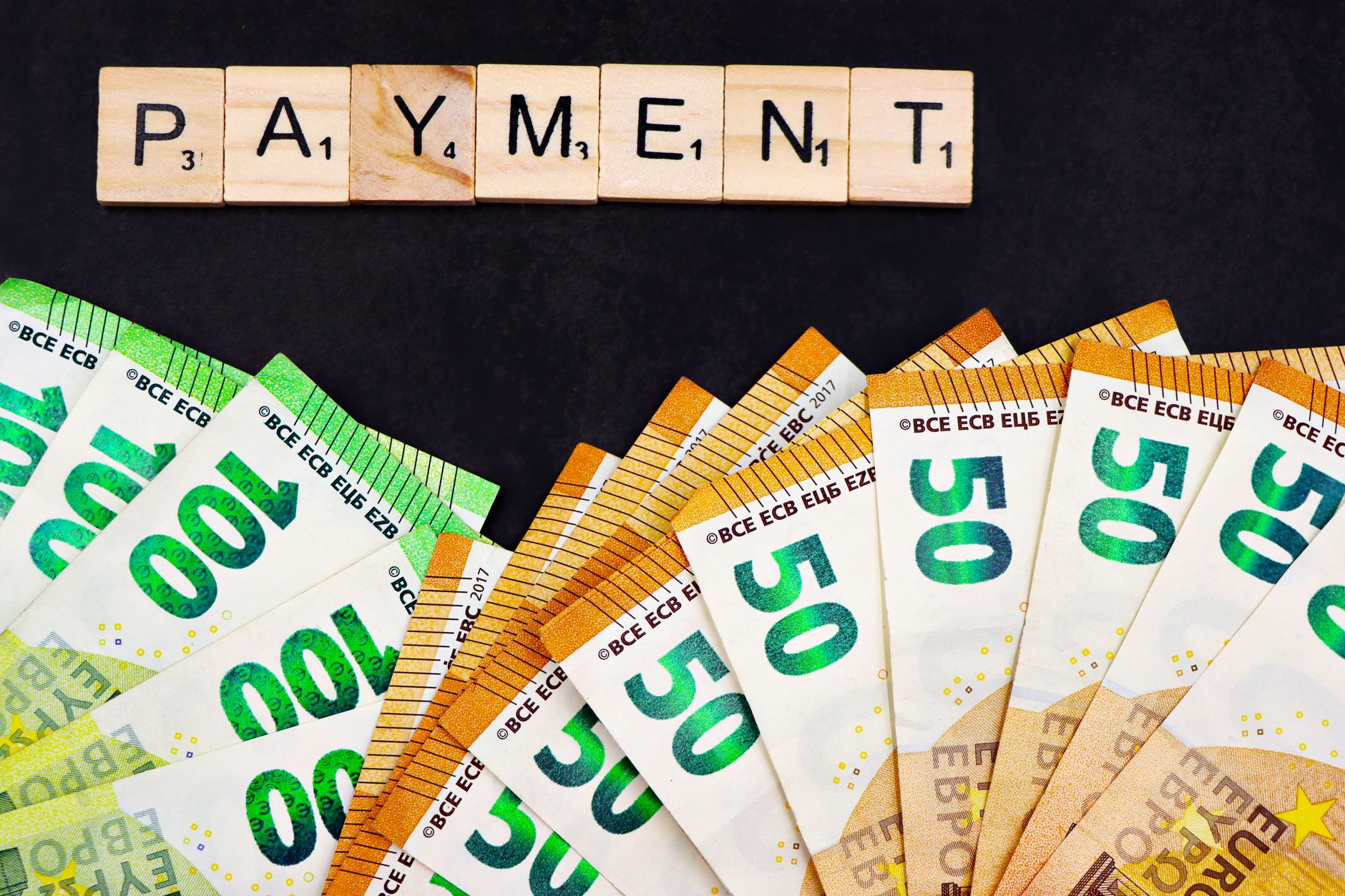
Where can you exchange money in Cyprus for the best rates?
There’s no single “best” place; the best option depends on your bank, your card, and where you are staying. Here’s a practical breakdown for Protaras and Ayia Napa:
- ATMs (bank-owned): Often deliver competitive interbank-based rates. Look for machines attached to major Cypriot banks rather than independent operators. Avoid using ATMs inside tourist shops.
- Banks: Branches in Ayia Napa and Paralimni (for Protaras) offer counter exchange. Rates can be fair, though queues may be longer on Mondays and after holidays—bring your passport.
- Licensed exchange bureaux: Found in resort centers. Compare the posted buy/sell rates and ask about any commission before handing over cash.
- Airport exchange: Extremely convenient on arrival, but usually the least favorable rates. Exchange only a small "first day" amount if needed.
Tip: If a kiosk or bureau shows a single rate without clarifying buy/sell, ask for the exact amount you’ll receive after commissions. Transparency is key.
Should you pay in local currency or accept Dynamic Currency Conversion (DCC)?
When a card terminal offers to charge you in your home currency instead of euros, that’s Dynamic Currency Conversion (DCC). While it seems convenient, it usually applies a poor exchange rate plus a margin.
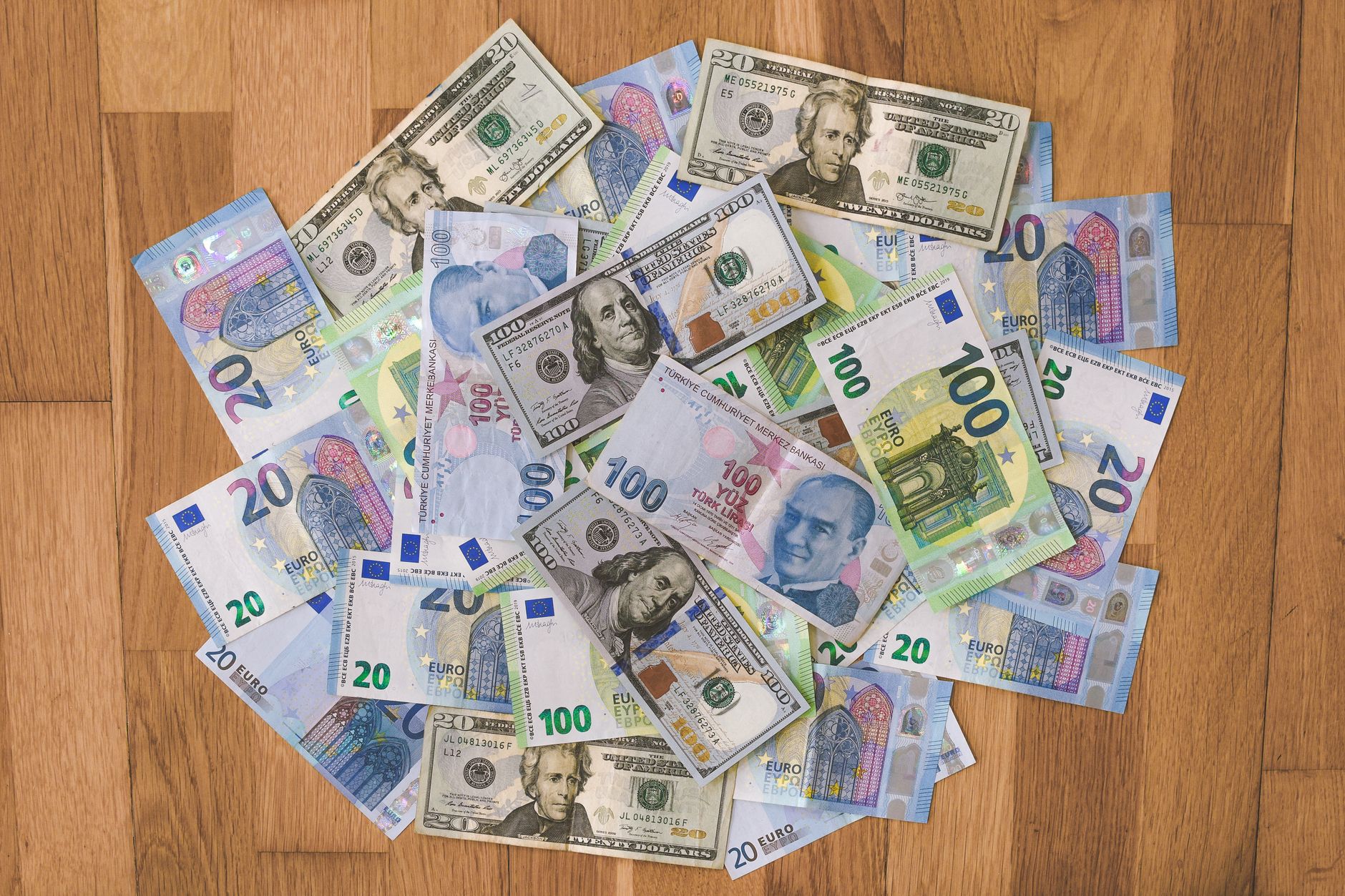
- Always select “Charge in EUR” on card machines to access your bank’s (typically better) exchange rate.
- Decline DCC on ATMs as well—choose "Continue with conversion by bank" or similar phrasing that keeps the transaction in EUR.
This simple habit can save 3–6% on every transaction—money better spent on a meze feast in Protaras or a sunset cocktail overlooking the Mediterranean.
How to avoid hidden ATM and card fees in Cyprus
Cyprus is card-friendly, but international purchases can trigger extra fees if you’re not prepared. Here’s how to minimise them:
- Use fee-light travel cards: Cards that waive foreign transaction fees (0%) are ideal. If your primary card charges 2–3%, consider a backup travel card.
- Choose bank ATMs: ATMs from major banks tend to be more transparent. Some third-party ATMs levy steep withdrawal fees—check the on-screen fee before confirming.
- Withdraw larger, less frequent amounts: If your bank charges per withdrawal, take out a reasonable lump sum rather than multiple small amounts—then store it safely at your villa.
- Turn on travel alerts: Let your bank know you’re heading to Cyprus to avoid card blocks and fraud flags.
LA MER Homes guests often prefer a split approach: carry a small amount of cash for beach days and bakeries, and use a no-foreign-fee card for restaurants and supermarket shops in Protaras or Ayia Napa.
What’s the best way to budget for Protaras and Ayia Napa?
Budgets vary, but here’s a practical framework to help you plan your villa holiday spends without stress:
- Groceries: Self-catering in a villa can save significantly. Pay by card at supermarkets; keep €10–€20 cash for small convenience stores.
- Dining out: Mid-range tavernas and beachfront cafes take cards. Tipping 5–10% is appreciated; small coins are handy.
- Beach days: Sunbed and umbrella rentals often accept cash; many beach bars take cards. Keep a few €2 coins.
- Activities: Boat cruises and water sports often accept cards, but bring cash for lockers or deposits.
- Transport: For car hire in Cyprus, major providers accept cards for deposits; have a credit card with sufficient limit.
For travellers getting to Protaras with family or friends, a clear daily budget plus a shared kitty (in euros) for groceries and beach extras works well.
How to compare exchange rates like a pro
You don’t need to be a currency analyst to get a fair deal—just follow this quick method:
- Know the mid-market rate: Check the live euro rate on a reliable source before exchanging.
- Calculate the effective rate: If a bureau quotes a rate plus a fee, divide the euros you’ll receive by what you’re paying in your home currency to find the real rate.
- Factor ATM fees: If an ATM charges a fixed fee, withdrawing a larger amount often improves your effective rate.
- Say no to DCC: This alone often beats most counter exchanges in tourist zones.
Consistency is key. Using the same smart approach across your trip can save enough for a seafood dinner in Ayia Napa’s harbour.
Is cash still king in Cyprus resorts?
Not quite—cards dominate in hotels, supermarkets, pharmacies, and most restaurants across the island. Still, cash smooths your day in certain scenarios:
- Beach kiosks, small bakeries, and village cafes inland
- Local markets and souvenir stalls
- Tips for drivers and hospitality staff
- Parking meters in some areas
For balance, keep €100–€150 in mixed notes and coins at the villa safe and top up as needed at a bank ATM.
Practical money safety tips for villa holidays
Protecting your holiday budget is as important as finding the perfect villa. Try these safeguards:
- Split your funds: Carry a primary card, a backup card stored safely at your villa, and a modest cash float.
- Use your villa safe: Store passports, spare cards, and excess cash securely.
- Contactless wisely: Cyprus supports contactless; set spending alerts in your banking app.
- Receipts and refunds: Keep digital or paper receipts for rentals, excursions, and deposits.
Staying with LA MER Homes puts you near cashpoints and supermarkets in Protaras and Ayia Napa, making top-ups easy between beach sessions.
What about car hire, fuel, and tolls?
For exploring the Mediterranean coastline—from Fig Tree Bay to Cape Greco—renting a car offers freedom and convenience. Here’s how currency plays in:
- Deposits: Major car hire companies usually require a credit card deposit. Debit cards may work with higher deposits—check terms in advance.
- Fuel payments: Most stations accept cards; smaller rural stations may prefer cash. Keep €20–€30 for peace of mind on longer drives.
- Insurance add-ons: If paying at the counter, choose EUR and decline DCC to avoid inflated rates.
Plan ahead with our car rental options to lock in transparent terms and easy pick-up near your villa.
How to handle money for tours, boat trips, and wellness
Many experiences in Protaras and Ayia Napa accept cards, but small cash extras pop up (lockers, snacks, tips). To keep things smooth:
- Boat cruises: Pay online or by card for the main fare; carry €10–€20 for bar service onboard.
- Diving & snorkelling: Cards for bookings; cash for small add-ons like photos or refreshments.
- Spa days: Treatments are card-friendly; bring coins for parking where needed.
Browse our curated experiences and pre-book: boat cruises, dive & explore, or unwind with spa and wellness. You’ll know costs upfront and can plan card vs. cash accordingly.
Common money mistakes in Cyprus—and easy fixes
- Exchanging everything at home: You might get a weaker rate. Convert a small amount for arrival, then use bank ATMs in Cyprus.
- Using DCC at terminals: Always opt to pay in EUR for a better effective rate.
- Relying on one card: Bring a backup and store separately at your villa.
- Ignoring small cash needs: Keep coins for parking meters and beach extras.
When is the best time to exchange before your trip?
Exchange rates move daily. Rather than timing the market, follow a simple approach:
- Get a little cash (e.g., €50–€100) before flying for immediate needs.
- Upon arrival, withdraw from a reputable bank ATM near your accommodation in Protaras or Ayia Napa.
- Use a fee-light card for most purchases and track spending in your banking app.
Staying in a villa makes it easy to store and manage cash safely and top up as needed.
How to plan payments for your villa stay
For accommodation and larger bookings, cards are the norm. Once settled in, your daily spend splits naturally: groceries and dining on card, plus small cash for markets and beach days. If you want a splash of luxury—think a beachfront home or private pool—book early and lock in card payments in EUR to avoid rate swings.
Local tips for Protaras, Ayia Napa, and beyond
- Protaras: Popular areas near Fig Tree Bay and Green Bay have multiple bank ATMs. Supermarkets accept cards; village bakeries appreciate small notes.
- Ayia Napa: The harbour and square areas are very card-friendly. Nightlife venues often accept contactless; keep €10–€20 for taxis or late-night snacks.
- Cape Greco & beaches: For cliff walks and beach days, bring a small cash pouch for kiosks and parking.
- Family trips: Consider a shared envelope system for snacks and beach rentals; settle up with cards for larger meals.
Quick checklist: your Cyprus money toolkit
- Primary debit/credit card with mobile wallet
- Backup card stored in villa safe
- €50–€150 in small notes and coins
- Banking app with spend alerts and travel notice enabled
- Plan for experiences: book online by card, carry small cash for extras
Conclusion: Spend smart and enjoy more of Cyprus
With a few smart currency exchange habits—paying in EUR, using bank ATMs, and carrying a small cash buffer—you’ll keep fees low and flexibility high across Protaras, Ayia Napa, and the wider Mediterranean coastline. That means more room in the budget for fresh seafood, scenic boat trips, and lazy villa afternoons. Ready to plan? Browse Protaras villas or explore holiday homes in Ayia Napa and build your dream itinerary.
Find your perfect Cyprus villa - check availability
FAQs
What currency does Cyprus use?
Cyprus uses the euro (EUR). Cards are widely accepted, but keep small cash for kiosks and parking.
Is it better to exchange cash or use ATMs in Cyprus?
Bank ATMs usually offer solid rates. Avoid independent ATMs with high fees and decline any conversion to your home currency.
Should I accept Dynamic Currency Conversion?
No—always pay in EUR to access your bank’s exchange rate and avoid inflated conversions.
How much cash should I carry in Protaras and Ayia Napa?
Carry €50–€100 for daily incidentals per couple; use cards for restaurants, supermarkets, and activities.
Do taxis and small shops take cards?
Many do, especially in tourist areas, but carry cash as a backup for small rides and local stalls.
What’s the best way to pay for car hire?
Use a credit card for deposits and pay in EUR. Check provider terms before arrival.
Are tips expected in Cyprus?
Tipping is optional but appreciated—around 5–10% in restaurants; coins for casual services.
Can I withdraw euros at the airport?
Yes, but fees and rates may be weaker. It’s fine for a small starter amount; use bank ATMs later for better value.
Find Your Perfect Cyprus Villa
Browse our handpicked collection of holiday villas in Cyprus. Private pools, great locations, and everything you need for an unforgettable stay.